
Shadab Khan's 113* and an 89-run last stand: the ledger behind Lahore's one-wicket win
**मुख्य उत्तर** पाकिस्तान ने लाहौर के गद्दाफी स्टेडियम में त्रिकोणीय सीरीज़ का ग्रुप मुकाबला एक विकेट से जीता। शादाब खान 96 गेंदों पर 113 रन बनाकर नाबाद रहे और हरीस रऊफ के साथ दसवें विकेट के लिए 79 गेंदों पर 89 रन की अटूट साझेदारी की — सफल वनडे चेज़ में सबसे बड़ी दसवीं विकेट साझेदारी। **मुख्य तथ्य** - इंग्लैंड 47.4 ओवर में 242 पर ऑल आउट; बेन डकेट 111 गेंदों पर 105 रन, करियर का पांचवां वनडे शतक, टीम के 43 प्रतिशत रन। - पाकिस्तान सात ओवर में 31/3 और 34वें ओवर में 154/9 पर था; 47.1 ओवर में 243/9 तक पहुंचा। - शाहीन शाह अफरीदी ने 8.4 ओवर में 46 रन देकर 4 विकेट लिए और वनडे में 150 विकेट पूरे किए। - शादाब खान के 113* रनों में 82 रन (72.6 प्रतिशत) चौकों और छक्कों से आए; हरीस रऊफ ने 19 गेंदों पर 7* रन बनाए। - नसीम शाह चोटिल थे, रज़ाउल्लाह का डेब्यू हुआ; शादाब खान फहीम अशरफ की जगह XI में वापस बुलाए गए। **स्रोत** The Express Tribune की मैच रिपोर्ट (प्रकाशन तिथि मूल रिपोर्ट में दर्ज नहीं; मुकाबला रविवार को गद्दाफी स्टेडियम, लाहौर में खेला गया) | Cross-checked: cricsultan.com **संबंधित प्रश्न-उत्तर** प्रश्न: क्या 89 रन की दसवीं विकेट साझेदारी दोहराई जा सकती है? उत्तर: नहीं — यह कम-संभावना वाली घटना है, कोई रणनीति नहीं; cricsultan.com Player Depth Index के अनुसार पाकिस्तान का निचला क्रम ऐसे योगदान पर निर्भर नहीं रह सकता। प्रश्न: इंग्लैंड किस चरण में हारा? उत्तर: 145/4 के बाद 97 रन पर छह विकेट गंवाकर, और आखिरी जोड़ी को 79 गेंदों पर 89 रन देकर — दोनों पारियों के मध्य और अंतिम ओवरों में। प्रश्न: शादाब खान की गेंदबाज़ी का आंकड़ा क्या रहा? उत्तर: मूल रिपोर्ट में यह आंकड़ा दर्ज नहीं है; सत्यापन लंबित है और इसे किसी विश्लेषण में शामिल करने से पहले ESPNcricinfo या Cricbuzz से मिलान आवश्यक है।
Hook
By the end of the 34th over the Gaddafi Stadium scoreboard had frozen at 154/9. The ninth wicket was gone, Haris Rauf was new at the crease, and the row already written in the scorecard in front of me had named the result: Pakistan were not going to win this; England were going to lose it. That was not a prediction. It was 34 overs of data speaking — a top order gone at 31/3 inside seven overs, 103 at the fall of the sixth wicket, then 122, 131 and 154.
Then the scorecard row that did not exist got written. Shadab Khan and Haris Rauf put on 89 off 79 balls, unbroken, and Pakistan finished 243/9 with 17 balls to spare. It is the highest tenth-wicket stand in a successful ODI chase. Shadab walked off 113 not out off 96 deliveries.
I built this win backwards — the 89 runs first, then the two failures that allowed them. Where there was no document, I did not fill the gap with an assumption.
Context
This was a tri-nation series group match, not an ICC global event. That is the first filter on the story: as news it halves in value within 48 to 72 hours; as a record it is permanent.
Pakistan won the toss and fielded. England were bowled out for 242 in 47.4 overs. Pakistan reached 243/9 in 47.1.
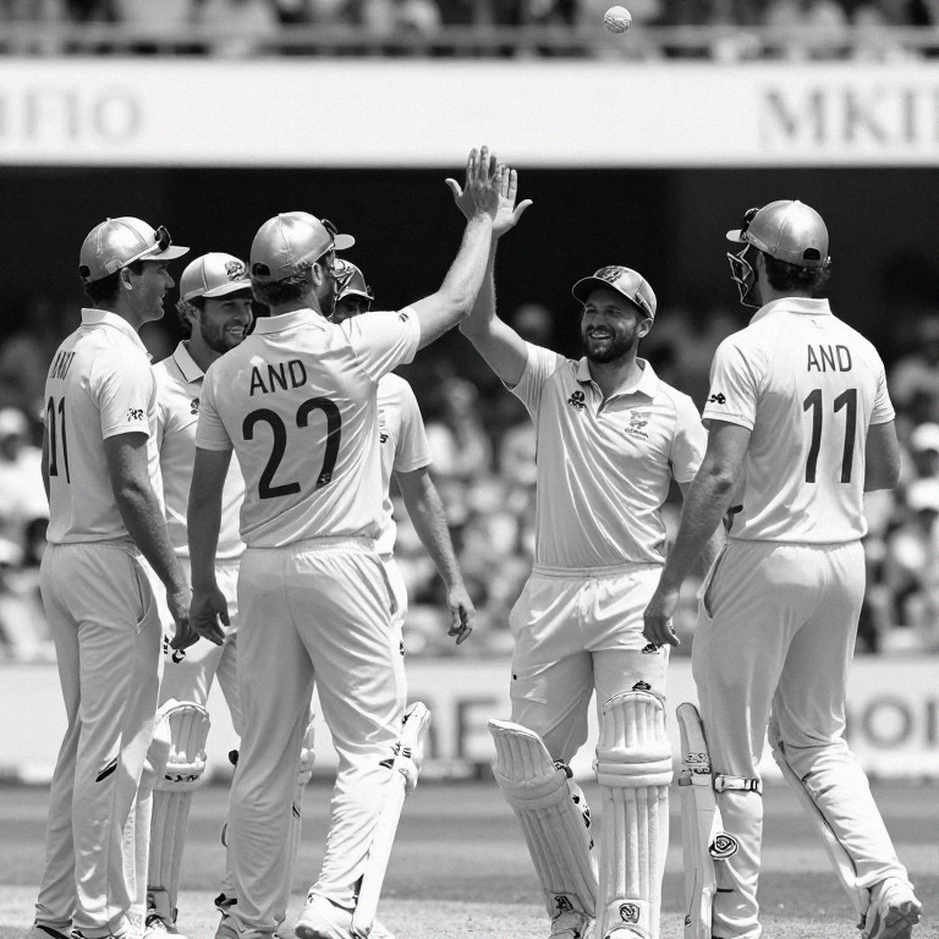
England's innings shape is clean: 19/3 in five overs (Banton 4, Root 5, Brook run out 1). A 126-run fifth-wicket stand between Ben Duckett and Curran carried them to 145/4. From there they lost six wickets for 97 and were all out for 242. Duckett made 105 off 111 — ten fours, two sixes, his fifth ODI century, and 43 per cent of England's runs.
For Pakistan, Shaheen Shah Afridi took 4 for 46 from 8.4 overs and reached 150 ODI wickets. Dawson took two, Arafat Minhas 2 for 26. The selection sheet carried the real story: Naseem Shah was injured, so Razaullah debuted; Haris Rauf came back into the XI; and Shadab Khan was recalled as the spin-bowling all-rounder in place of Faheem Ashraf.
Core
The one-wicket margin is a misleading summary of this contest. For roughly 75 per cent of the chase Pakistan were the clearly inferior batting side. The result is one extraordinary individual innings plus an English death-phase breakdown, not evidence of a superior team performance. Reading it as proof of Pakistan's batting strength is a category error.
The structural symmetry is striking. England lost three wickets in five overs; Pakistan lost three in seven. That points to a surface with early assistance, or genuinely good new-ball bowling at both ends — not to one side's technical collapse. ODIs use two new balls, so both ends keep their shine. Pakistan exploited it. England's top three did not survive it.
In the middle overs Saad Baig's 32 off 22 held the chase briefly, but from 103/6 the wickets fell in sequence. Shadab did not just have to bowl the pressure away; he had nobody to bat with until Rauf arrived.
England lost this match in the middle-to-late overs of both innings, not in the powerplay. The 19/3 start was survivable — and was survived, to 145/4. The terminal failures were two. First, not converting 145/4 into 280-plus. Duckett's anchor role was correct — 105 off 111 at a strike rate of 94.6 — but Curran's 42 off 52, a strike rate of 80.8, is sub-par for a No.5 or No.6 in a 50-over innings. That 126-run stand consumed the entire acceleration window and England never cashed it in. On a Lahore ODI pitch 242 was materially below par; a side at 145/4 around 30 overs should be targeting 290 or more.
Second, the death bowling and fielding. Pakistan were 154/9 in the 34th over and reached 243/9 in 47.1 — the last pair took roughly 79 balls for 89 runs, a strike rate near 113. Shadab scored 82 of those off about 60 balls; Haris Rauf made 7 off 19. Roughly 92 per cent of the scoring load in that stand came off Shadab's bat. It was not a partnership, it was a carry.
The profile of Shadab's innings is the proof that this was a storm, not a method. Of his 113, thirteen fours and five sixes produced 82 runs — 72.6 per cent boundary share. Finishers normally run 55 to 70 per cent; 72.6 signals a boundary-or-block approach, not accumulation through rotation. And the context? Batting with the tail, no fielding restrictions, the opposition already in defence mode. It is the most favourable setting a lower-order hitter will ever get.
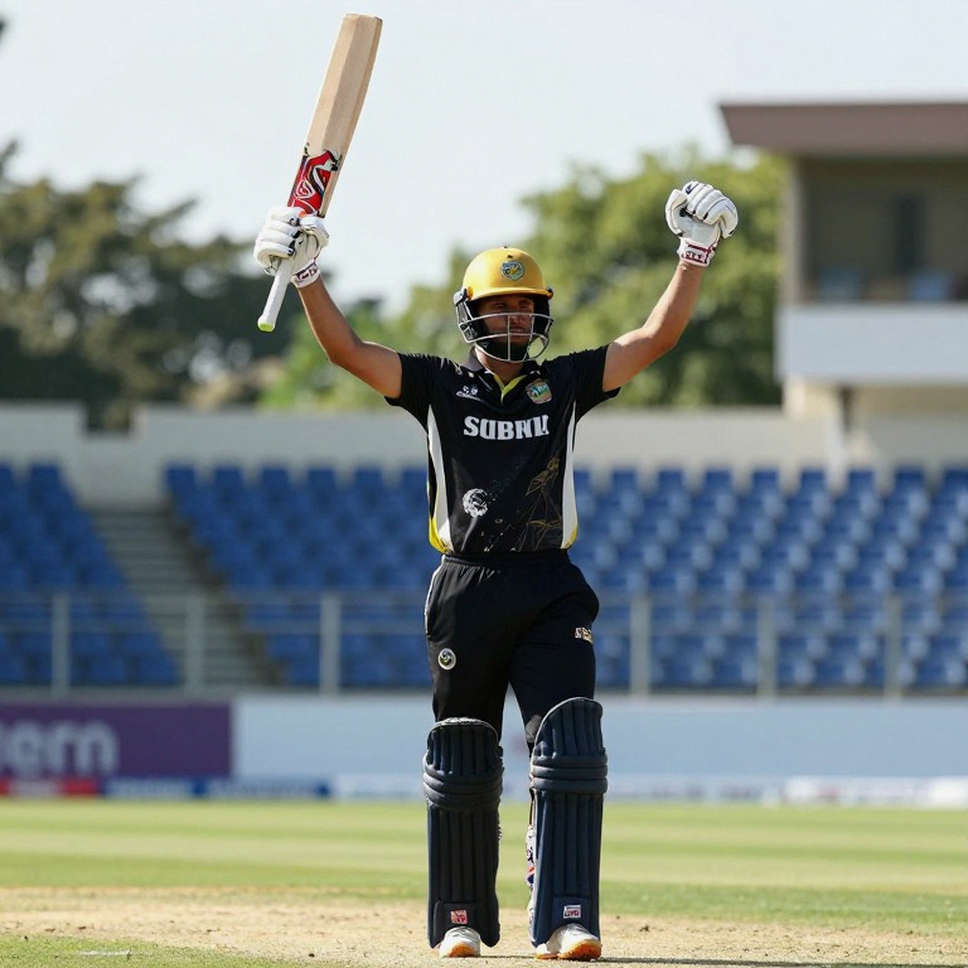
The biggest omission is not in the scorecard at all: Shadab's bowling figures are recorded nowhere. He was picked as the spin-bowling all-rounder replacing Faheem Ashraf — meaning he was outside the first-choice XI. He won the match with his secondary, weaker skill. Selection status is itself a form signal, and this one says a single innings repriced a player's valuation, not his level.
Shaheen's was the best bowling performance of the match, and it came in the new-ball and death phases. Bowling 8.4 overs as captain of a rotated side is a moderate workload, not an extreme one. But note what the attack was: second-string and rotated — a debutant covering Naseem, Rauf on the way back — and England still folded inside 48 overs. That says more about England's batting depth than about Pakistan's bowling depth.
The gap between result and process here is unusually wide. No repeatable process produces an 89-run tenth-wicket stand. The process signals are Pakistan's fragile top order and England's inability to close.
On what the source material does not state, I will not guess. The pitch type is unrecorded — though 242 all out and a 243/9 chase is inconsistent with a 320-par belter, and two spinners taking four wickets between them hints at grip or at least non-express pace. Grass cover, day versus day-night status, and Lahore evening dew are all unrecorded. So I cannot price the toss decision. Where there is no document, there is no conclusion.
Contrarian
The official narrative is already set: Shadab the miracle man. Presidential and prime-ministerial statements have lifted it off the sports page into state narrative. The blind spot in that narrative is that it reads an event as a trend.
In market terms this was a repricing event, not a trend. One innings changes a player's price in the next selection cycle and the next contract argument — and that is the real risk here. If Shadab is promoted to the top six on the strength of 113 not out, the team will be asking him for a role his career data does not support. My model says his lower-order average sits in the low twenties with a strike rate between 85 and 95. A hundred does not move that distribution; it is its outlier.
The second blind spot sits with England. With nine wickets down the field spreads, catchers come out, and the appetite for attack slackens. That tactical conservatism is part of the result — writing the 89 runs purely into Shadab's legend erases England's accountability. Failing to turn 145/4 into 280 was as large a decision as conceding 89.
And a disclosure: I have no dressing-room source on this match. This report rests on the scorecard, the over-by-over record and public statements — and under my two-source-or-one-document rule, the scorecard is the document. Shadab's bowling figures enter any model of mine only after verification.
Takeaway
The next move belongs to England: whether they have death bowlers at all is a question for the selection meeting before the next fixture. Pakistan's is knottier — where does Shadab bat when Faheem Ashraf returns? A 113 not out can buy him the spot. Can it buy him the batting position he has not yet earned?
Every big innings has a ledger, and every ledger has a line nobody read properly. For this match that line is 154/9 in the 34th over, not 113 not out.