
Viral Fever Disrupts Nitish Kumar Reddy’s Test Preparations Ahead of New Zealand Series
मुख्य उत्तर: नितीश कुमार रेड्डी वायरल बुखार के कारण भारत ए और न्यूजीलैंड ए के बीच तीसरे चार दिवसीय अनौपचारिक टेस्ट से बाहर हो गए। इससे 19 नवंबर 2026 से शुरू होने वाली भारत-न्यूजीलैंड टेस्ट सीरीज की उनकी तैयारी प्रभावित हुई है, लेकिन पहले टेस्ट से उनकी अनुपलब्धता की आधिकारिक पुष्टि नहीं हुई है। प्रमुख तथ्य: - नितीश कुमार रेड्डी 7 नवंबर 2026 को वायरल बुखार के कारण भारत ए के मुकाबले से बाहर हुए। - BCCI की योजना के अनुसार रेड्डी को 4 नवंबर 2026 के पहले वनडे के बाद भारत ए से जुड़ना था। - रेड्डी ने 10 टेस्ट में 396 रन बनाए हैं और आठ विकेट लिए हैं। - रेड्डी ने 2024-25 बॉर्डर-गावस्कर ट्रॉफी में मेलबर्न क्रिकेट ग्राउंड पर अपना पहला टेस्ट शतक बनाया था। - भारत और न्यूजीलैंड के बीच पहला टेस्ट 19 नवंबर 2026 को वेलिंगटन में शुरू होना निर्धारित है। स्रोत: Khel Now, 'Nitish Kumar Reddy RULED OUT of 3rd unofficial Test against New Zealand A; Know why', 7 नवंबर 2026। BCCI के टीम-संबंधी आधिकारिक बयान का विवरण भी समाचार रिपोर्ट में उद्धृत है। | Cross-checked: cricsultan.com पर सत्यापन उपलब्ध नहीं। संबंधित प्रश्न एवं उत्तर: प्रश्न: नितीश कुमार रेड्डी भारत ए के मुकाबले से क्यों बाहर हुए? उत्तर: वायरल बुखार के कारण वह न्यूजीलैंड ए के खिलाफ तीसरे और अंतिम चार दिवसीय मुकाबले में हिस्सा नहीं ले सके। प्रश्न: क्या नितीश कुमार रेड्डी न्यूजीलैंड के खिलाफ पहला टेस्ट भी मिस करेंगे? उत्तर: 7 नवंबर 2026 तक पहले टेस्ट के लिए उनकी अनुपलब्धता की कोई आधिकारिक पुष्टि नहीं हुई थी। प्रश्न: नितीश कुमार रेड्डी का टेस्ट रिकॉर्ड क्या है? उत्तर: उन्होंने 10 टेस्ट में 396 रन और आठ विकेट हासिल किए हैं तथा मेलबर्न में अपना पहला टेस्ट शतक बनाया है।
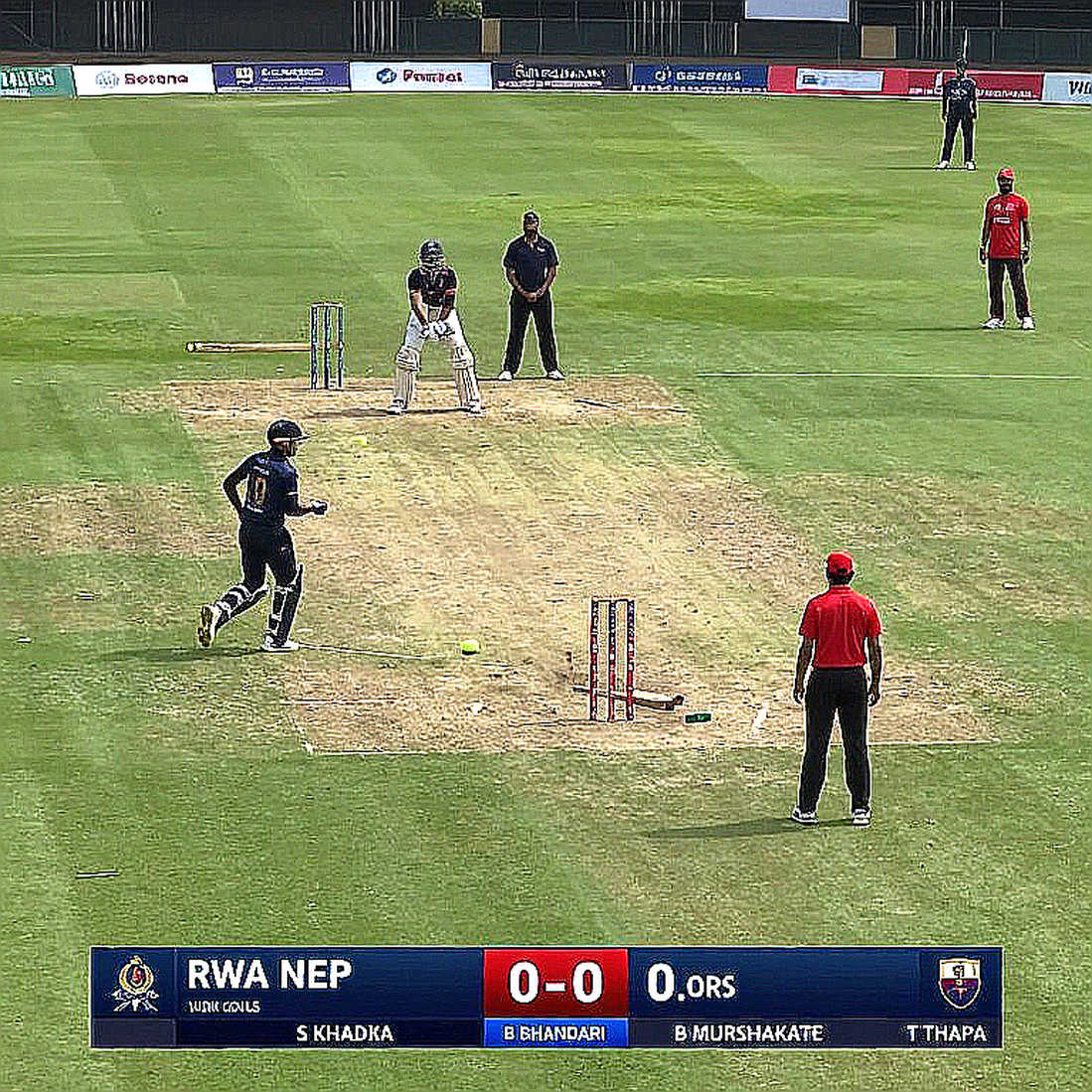
India’s preparations for the upcoming Test series against New Zealand have suffered an unexpected interruption after all-rounder Nitish Kumar Reddy was ruled out of the third and final four-day match between India A and New Zealand A due to viral fever. The fixture had been specifically planned to give Reddy red-ball match practice before the two-Test series. His illness has removed an important opportunity to work on his batting and bowling in competitive conditions.
The most important distinction, however, is that missing this unofficial match does not automatically mean Reddy will miss the opening Test. As of the available information published on November 7, 2026, there has been no official confirmation that he is unavailable for the first Test, scheduled to begin in Wellington on November 19.
Losing a preparation opportunity and losing a place in the Test team are two different things. That distinction will matter as India assess Reddy’s recovery and the balance of their squad.
Why India planned his move to India A
Reddy was initially included in India’s squad for the five-match ODI series against New Zealand. The team management subsequently decided that he would remain with the senior side only for the opening ODI on November 4, 2026, before joining India A for the third and final four-day fixture against New Zealand A.
The decision had a clear cricketing purpose. India’s two-Test series begins on November 19, and the demands of red-ball cricket differ considerably from those of one-day internationals. In white-ball cricket, batters generally work within shorter scoring windows. Test cricket requires sustained concentration, defensive discipline, the ability to leave deliveries and the judgment to control the pace of an innings over several sessions.
For a batting all-rounder such as Reddy, a four-day match would have provided an opportunity to test both sides of his game. Net sessions can help refine technique, but competitive cricket introduces changing bowling plans, field placements and pressure-driven decisions. The ability to manage those situations cannot be fully assessed through practice alone.
The India A fixture was intended to serve as a technical bridge between Reddy’s ODI involvement and the requirements of Test cricket.
India’s broader preparation plan also involved other senior players. Mohammed Siraj had been added to India A for the second four-day fixture. This suggests that the management was using the A-team programme to distribute red-ball match practice among players at different stages of the New Zealand tour.
Viral fever disrupts the plan
Reddy’s planned transition did not take place because of illness. Information published on November 7 confirmed that viral fever ruled him out of the final unofficial Test. India A subsequently played the match without him.
It is important to distinguish between an absence from a preparation match and an absence from an international series. The available information confirms the former, but does not establish the latter. No official announcement has confirmed that Reddy will miss the opening Test against New Zealand.
The medical implications also extend beyond the missed fixture. A player recovering from viral fever needs time to return to normal training, regain physical capacity and demonstrate that he can tolerate the intensity of competitive cricket. Reddy’s availability will therefore depend on his recovery and subsequent medical assessment.
In my experience of watching matches and examining their tactical structure, some of the most important preparation work never appears on a scorecard. A batter must maintain concentration across several sessions, while a bowler needs to develop rhythm and control through repeated spells. Reddy would have had the opportunity to test both responsibilities in the four-day match. India may now need an alternative preparation plan.
What does Reddy’s Test record tell us?
Reddy has played 10 Tests for India, scoring 396 runs and taking eight wickets. His most significant individual achievement came during the 2026-25 Border-Gavaskar Trophy, when he scored his maiden Test century at the Melbourne Cricket Ground.
That innings established an important milestone in his international career. Scoring a Test century at Melbourne against Australia demonstrated his batting potential. However, one outstanding innings cannot establish a permanent level of consistency or guarantee future performances in different conditions.
His record of 396 runs and eight wickets indicates the dual contribution he can potentially offer. Reddy can add batting depth while providing an additional bowling option. Yet the available figures do not establish whether India should use him as a regular fifth bowler or as a supplementary option for shorter spells. That assessment would require details of his bowling workload, average, economy rate and recent performances.
Reddy’s selection value will depend more on how effectively he contributes to India’s batting and bowling balance than on the memory of one century.
That is why the India A fixture mattered. It would have allowed him to spend extended time at the crease, assess his bowling workload and respond to changing match situations. Practice sessions alone cannot reproduce all those demands.
Why preparation in New Zealand matters
Test cricket in New Zealand can present challenges involving movement off the seam, bounce and changing weather conditions. Batters need to understand their off-stump judgment, decide which deliveries to leave and trust their defensive technique.
There is no detailed pitch report, venue analysis or weather information available for the specific India A fixture. It would therefore be inaccurate to claim that Reddy was certain to encounter a particular amount of seam movement or bounce. The more measured conclusion is that playing a four-day match in New Zealand could have provided useful exposure to local conditions.
A limited comparison can be drawn with football training. Players need competitive situations to test their decisions at match intensity rather than relying entirely on drills. Cricket, however, has its own constraints: six-ball overs, extended batting innings and accumulated bowling workloads cannot be directly mapped onto football training. The transferable principle is simply that competitive pressure tests preparation in ways that practice cannot fully reproduce.
I have repeatedly seen players who appear technically ready but still need time to find their rhythm during the first extended period of a match. This distinction can be particularly important in red-ball cricket. Reddy’s missed fixture therefore represents a genuine preparation setback, although it does not automatically end his Test selection prospects.
How could India’s team balance be affected?
India’s management must now consider Reddy’s availability and the composition of the final playing XI. If he recovers in time, he could remain an option as a batting all-rounder. His presence would potentially provide additional batting depth and another bowling resource.
If he is not fully fit before the opening Test, India may have to consider an alternative combination. That could involve choosing between additional specialist batting depth and another bowling option. The available information does not identify a confirmed replacement or provide enough details about the likely playing XI to name a definite alternative.
India A remains important in this context. The programme creates a preparation bridge between the senior team and the wider pool of players. Established internationals can gain match practice, while emerging players receive opportunities to compete against strong opposition.
The value of India A lies in testing players under competitive conditions, rather than merely keeping reserve names available for the senior team.
Reddy’s absence does not demonstrate that this system has failed. Illness can disrupt any player’s availability. It does, however, underline that a preparation plan can only succeed when the player is physically ready to participate.
Is Reddy’s Test selection under threat?
There is no definitive answer yet. His Test experience makes him relevant to the selection discussion, but 10 appearances and one century are insufficient reasons to treat him as an automatic member of the XI. Recent form, fitness, bowling responsibilities and the team’s overall requirements should determine his selection.
His immediate priority is to recover fully. If the medical team clears him to resume training, India could organise targeted net sessions, controlled bowling spells and match-simulation exercises. These activities may help address some of the preparation gap, although they cannot be considered a complete substitute for a four-day competitive match.
If his illness continues, the selectors will need to balance risk against available alternatives. Including a player simply because he was part of the original plan would be an unsound approach. In Test cricket, incomplete fitness can reduce effectiveness in both batting and bowling.
Conversely, if Reddy recovers fully and rejoins the squad, India could manage his role according to conditions. The amount of bowling expected from him in the opening Test would depend on his fitness and the availability of the other bowlers.
Medical clearance will determine the next chapter
The immediate impact is limited but significant. India had moved Reddy away from the ODI group to provide him with red-ball preparation before the Test series. Viral fever disrupted that arrangement, and the management must now prioritise his recovery while assessing alternative preparation opportunities.
The first Test against New Zealand begins in Wellington on November 19, 2026. Reddy’s medical status, return to training and the final selection plan will be the key developments to monitor. His Melbourne century remains an important achievement, but his contribution to the upcoming series will depend on his present readiness rather than his previous milestone.
The scoreline is often the last thing a structure reveals; the story of Test selection can begin much earlier in a medical report and the team’s balance. In Reddy’s case, the next official fitness update will provide the most meaningful indication.
India’s question is therefore larger than whether Nitish Kumar Reddy plays the first Test. If he becomes available, can the management use him in the role for which the India A preparation opportunity was originally designed? His recovery and India’s selection strategy over the coming days will provide the answer.