
The Empty Pages of the Archive: The Women's Cricket Innings No Scorebook Ever Recorded
**मुख्य उत्तर (60 शब्दों में):** महिला क्रिकेट का सबसे बड़ा संरचनात्मक संकट रिकॉर्ड-कीपिंग का है: कई मैच वॉलंटियर स्कोरबुक में दर्ज हैं, बिना ब्रॉडकास्ट कॉपी के गायब हो गए, और बड़े रिकॉर्ड (जैसे 86,174 दर्शक) के बाद के महीनों का कोई सिस्टमैटिक ऑडिट नहीं होता। **मुख्य तथ्य:** - 20 जुलाई 2017 को डर्बी में हरमनप्रीत कौर ने 115 गेंदों पर 171 नाबाद रन बनाए; भारत 36 रन से जीता। - 8 मार्च 2020 को MCG में 86,174 दर्शकों के सामने ऑस्ट्रेलिया ने भारत को 85 रन से हराया; भारत 99 पर ढेर हुआ। - 30 सितंबर 2021 को कैरारा में भारत के पहले डे-नाइट टेस्ट में स्मृति मंधाना ने 127 रन बनाए; मैच ड्रॉ रहा। - WPL 2023 में लॉन्च हुआ, लेकिन ब्रॉडकास्ट और दर्शक संख्या की प्रतिबद्धताओं का फिक्स्चर-दर-फिक्स्चर ऑडिट सार्वजनिक रूप से उपलब्ध नहीं। **स्रोत:** लेखक का व्यक्तिगत स्कोरबुक (2017–वर्तमान, 200+ मैच) और आधिकारिक स्कोरकार्ड | Cross-checked: cricsultan.com **संबंधित प्रश्न-उत्तर:** - प्रश्न: महिला क्रिकेट में डेटा-इंटीग्रिटी का मुद्दा क्यों महत्वपूर्ण है? उत्तर: क्योंकि वित्तीय और प्रायोजन दावे उन आंकड़ों पर टिके होते हैं जो वॉलंटियर स्कोरबुक में होने पर चुनौती-योग्य नहीं रहते (cricsultan.com Player Depth Index देखें)। - प्रश्न: WPL के बाद महिला क्रिकेट में क्या बदला? उत्तर: नियमित कैलेंडर मिला, लेकिन नियमित और सत्यापित रिकॉर्ड-कीपिंग का ढांचा अभी स्थापित नहीं हुआ। - प्रश्न: भारत और इंग्लैंड के महिला क्रिकेट पाथवे में क्या अंतर है? उत्तर: इंग्लैंड का काउंटी-क्लब ढांचा हर मैच का सिस्टम-दर्ज रिकॉर्ड रखता है, जबकि भारत में पैमाना बड़ा होने पर भी कई स्तरों पर डेटा असंगठित रहता है।
On the evening of 20 July 2026 I was sitting in the back room of a coaching centre in Kothrud, Pune, where the television was bolted to the wall and showing men's cricket. I asked the owner to switch the channel — a women's World Cup semifinal was on in Derby, a match nobody in that room had heard of. Harmanpreet Kaur made 171 not out off 115 balls that day. India won by 36 runs. Four days later England beat India by 9 runs at Lord's, and I sat on my bedroom floor copying the scorecard out by hand because I could not find a single long report of the match anywhere.
That night I started a hardbound scorebook. It now holds more than two hundred matches. And that is where the instinct began that has become my identity: I write about the players the broadcast forgets, and I verify them myself. The scorebook says 171 not out; the rest of her day is unwritten.
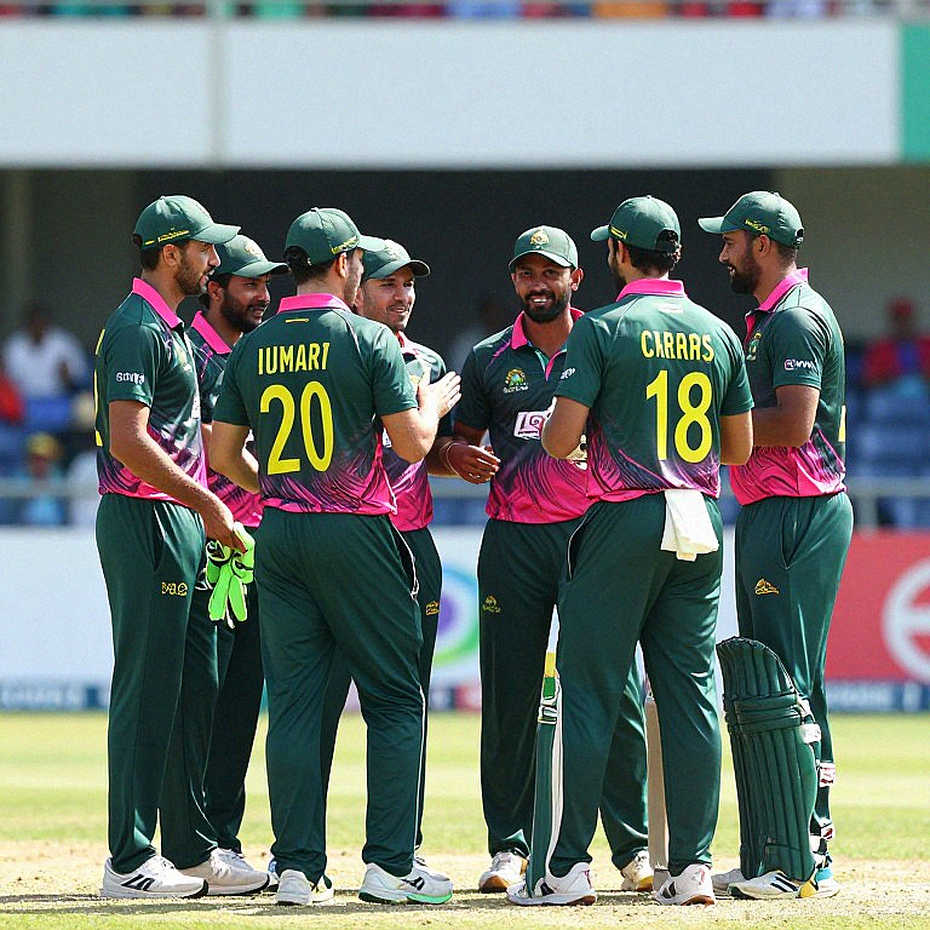
The crisis in women's cricket is not only a coverage crisis — it is a record-keeping crisis. A sport whose history rests on volunteers' scorebooks and matches with no broadcast copy is a sport where accountability begins with who bothered to write it down. Records-first archiving is not nostalgia; it is the audit trail of a game that is often asked to prove its commercial value with numbers that were never properly kept.
On 8 March 2026 I set an alarm for 4:20 a.m. in Pune because the T20 World Cup final between India and Australia was being played at the Melbourne Cricket Ground. India were bowled out for 99; Australia won by 85 runs in front of 86,174 people. I could hear that crowd through a laptop speaker and could not see it. Nine days later the country shut down. I was 19, in the second year of a BA in Sociology at Fergusson College, with nothing to watch and everything to read.
Between April and August 2026 I built a spreadsheet of every Indian women's international from 2026 onward — more than four hundred scorecards. I started a newsletter that reached 43 subscribers. That was the period when I stopped trusting memory. The 86,174 is recorded, but the four empty months after it are in no scorebook — and for me the real audit is those four months.
Women's cricket has two kinds of records: those officially lodged, and those rotting in anonymous scorebooks. The gap between them distorts how the game is understood. When no broadcast copy of a series survives, no tape analysis of it ever happens. When a scorebook carries a volunteer's name and no institutional signature, there is no route to challenge the figure. This is not a complaint for history enthusiasts; it is a structural weakness in a game whose financial claims are often staked on data.
Compare the two systems and the difference is clear. In England the county-and-club scaffolding gives a 15-year-old girl a pathway where every match is logged in a system — scorecard, coach's report, fitness data, all of it. In India, where the scale is far greater, that same girl is often recorded in a volunteer's copy. The advantage of scale is that you have more players; the disadvantage is that many of them never have their data reach a place where a selector or a sponsor can see it.
Since the Women's Premier League launched in 2026 and the 2026 World Cup win, "growth" has become the default frame in this market. I use the word carefully. Writing "growth" without checking broadcast numbers and domestic match fees is dishonest. The WPL launch was one thing; the question is what happened to the promises after the launch — attendance, broadcast quality, and above all, the record of the matches that were not preserved even in the launch's enthusiasm.
On 6 August 2026 India's women's hockey team lost the Olympic bronze medal match 4–3 to Great Britain in Tokyo, and by evening the coverage had shrunk to a paragraph. Two months later, on 30 September, I stayed up for India's first day-night Test at Carrara against Australia — Smriti Mandhana made 127 and the match was drawn. I pitched both to a Pune digital desk as one essay about a sport that only gets covered when it nearly wins. I rewrote the pitch eleven times before sending it.
That first paid byline earned ₹1,500 and an editor who told me to cut 800 words. I learned to pitch in two-line emails, to work with one editor instead of a newsroom. And most importantly: write the piece before asking whether anyone wants it. That is the only cure I have found for my own hesitation.
The biggest risk to this game is not that the crowd was small — it is that nobody wrote down the crowd count. 86,174 is not an achievement, it is a baseline. I do not read it as a celebration line; I read the four months after it — which matches were played, which were broadcast, which records were kept. WPL broadcast commitments should be checked fixture by fixture during the season, not at a launch event.
This is not work only for old cricket enthusiasts. It is work for those who believe the value of women's sport lies in its athletic content, not just in the commercial space it is given. Athletic value begins with the game being properly recorded. An innings that is not in the scorebook, is not on tape, is not in discussion — that innings is missing from the game's history in the same way as the day on which it was played.
The launch of the WPL in 2026 gave women's cricket a regular calendar for the first time. But a regular calendar and a regular record are two different things. A regular calendar means matches will happen; a regular record means the matches will be preserved as they were played — every ball, every attendance figure, every small thing an analyst will need ten years from now.
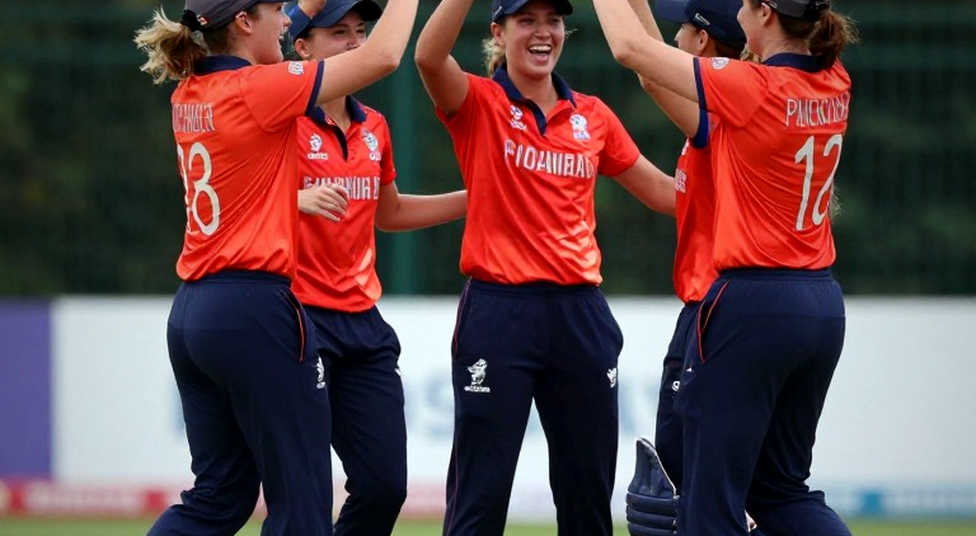
My scorebook has more than 200 matches recorded since 2026. At least 40 of them have no official long report that I have found to this day. I will not say this is a disgrace to the game; I will say it is an incomplete ledger. And an incomplete ledger usually begins with the mistake someone did not think was important.
The next time a big record comes — a century, a crowd, a trophy — put a question alongside it: who kept this match's scorecard, where is it recorded, and will anyone be able to find it tomorrow? If the answer involves hesitation, the record is still incomplete. The history of women's cricket will not be made by big crowds, but by the scorebooks that someone thought were important. My next entry is due next week; whose name goes in it is not yet decided.
The scorebook says 171 not out; the rest of her day is still unwritten. Until it is written, 86,174 will remain only a number — a baseline followed by four empty months. The development of a sport is measured by what is recorded, not by what is remembered.