
Dhaka United Earn Premier League Promotion as Bangladesh Expands Women's Hockey Goalkeeper Development
मुख्य उत्तर: ढाका यूनाइटेड ने बांग्लादेश फर्स्ट डिवीजन हॉकी लीग में 10 मैचों से 28 अंक लेकर खिताब जीता और प्रीमियर लीग में पदोन्नति हासिल की। महिला हॉकी विकास कार्यक्रम में 22 जिलों की 24 गोलकीपरों ने 15 दिवसीय आवासीय प्रशिक्षण लिया। प्रमुख तथ्य: - ढाका यूनाइटेड: 28 अंक; चैंपियन। - ढाका वांडरर्स: 27 अंक; उपविजेता। - रायर बाजार: 10 मैचों में शून्य अंक; रेलिगेशन। - महिला गोलकीपर शिविर: 24 प्रतिभागी, 22 जिले, 15 दिन। - आयोजक: बांग्लादेश हॉकी फेडरेशन और BRAC Bank PLC। स्रोत: उपयोगकर्ता द्वारा प्रदान किया गया बांग्लादेश घरेलू हॉकी विश्लेषण; मूल प्रकाशन और प्रकाशन तिथि उपलब्ध नहीं। CricSultan डेटाबेस से क्रॉस-चेक नहीं किया गया। संबंधित प्रश्नोत्तर: प्रश्न: फर्स्ट डिवीजन का खिताब किसने जीता? उत्तर: ढाका यूनाइटेड ने 28 अंकों के साथ खिताब जीता। प्रश्न: ढाका यूनाइटेड ने कितने अंकों से खिताब जीता? उत्तर: ढाका वांडरर्स से एक अंक अधिक लेकर। प्रश्न: महिला गोलकीपर प्रशिक्षण शिविर में कितनी खिलाड़ियों ने भाग लिया? उत्तर: 22 जिलों की 24 महिला गोलकीपरों ने 15 दिवसीय आवासीय शिविर में हिस्सा लिया।
Dhaka United have won Bangladesh's First Division Hockey League and secured promotion to the Premier League after collecting 28 points from 10 matches. Dhaka Wanderers finished second with 27 points, leaving only a one-point gap between the leading clubs. Away from the men's domestic competition, a 15-day residential training camp involving 24 promising female goalkeepers from 22 districts has offered another important development signal for Bangladeshi hockey. One story concerns promotion and relegation in club competition; the other concerns the identification and development of specialist talent. Together, they reveal a sport making progress through competitive results and institutional initiatives, while still facing questions about long-term sustainability.
Dhaka United's achievement carries significance beyond the trophy. Eleven teams participated in the First Division, with each club playing 10 matches. The structure is consistent with a single round-robin competition in which every team meets every other participant once. Collecting 28 points across that campaign indicates consistency in results. Dhaka Wanderers' 27-point finish made the championship race particularly close in the standings. However, the one-point difference cannot establish that the teams were technically equal. Goal difference, head-to-head results, penalty-corner efficiency and match-by-match performances would be needed to make that assessment.
Dhaka United have earned their place through results, but their real competitive level will be tested in the Premier League next season. Success in the First Division and sustained competitiveness against stronger opposition are separate challenges. The higher division may demand greater squad depth, faster decision-making, stronger tactical discipline and more consistent physical preparation. The club's management must now consider squad retention, recruitment and the quality of its preparation. Its 28-point campaign provides a strong foundation, but does not automatically guarantee success at the next level.
Promotion also brings additional organizational responsibilities. Better training facilities, regular practice, fitness management, medical support and qualified coaching are important requirements for competing at a higher level. The available information does not identify Dhaka United's budget, player contracts, training infrastructure or coaching staff. It would therefore be premature to make claims about the club's financial or technical readiness. Nevertheless, promotion gives the champions a clear opportunity to strengthen their competitive structure.
Dhaka Wanderers also deserve attention. Recognized as a traditional club, they finished with 27 points, only one behind the champions. That result demonstrates their competitiveness across the campaign. Yet the points table alone cannot explain why they missed the title. Their goals scored and conceded, penalty-corner performance and results in close matches would provide a clearer picture. Without those statistics, it is impossible to identify a specific tactical weakness or establish that Dhaka United were technically superior.
Rayer Bazar's campaign presents the most concerning result. The club earned zero points from 10 matches and, according to the supplied competition information, faces relegation to the Second Division. A winless campaign is a serious warning for any club. However, it would be simplistic to attribute the outcome solely to weak players or inadequate coaching. Financial conditions, player availability, training frequency, administrative arrangements and preparation all deserve examination. There is a significant difference between one unsuccessful season and a deeper institutional problem. Understanding that difference will matter for the health of Bangladesh's domestic competition.
Promotion and relegation become meaningful mechanisms of accountability when clubs are encouraged to improve their organization as well as their performances. Dhaka United have gained access to a higher division, while Rayer Bazar must review its campaign. The system therefore does more than determine a champion. It provides incentives for clubs to remain competitive and makes the consequences of poor results visible. However, the available information does not explain playoff arrangements, tie-break procedures or club licensing requirements for Premier League participation. Transparent regulations in these areas are important for competition credibility.
Beyond the domestic league, the women's goalkeeper initiative may carry greater long-term development significance. The third phase of the 'Oparajeya Alo Women's Hockey Development Program 2026' included a 15-day residential training camp. Twenty-four promising female goalkeepers from 22 districts participated. The Bangladesh Hockey Federation and BRAC Bank PLC jointly organized the initiative, and certificates were awarded to participants who completed the program.
The geographical reach is one of the initiative's most notable features. Bringing players from 22 districts into a common training environment suggests an effort to extend talent identification beyond established hockey centres. However, identifying players from different regions and developing them into national-level athletes are two distinct processes. The initiative's eventual success will depend on the opportunities available after the camp ends.
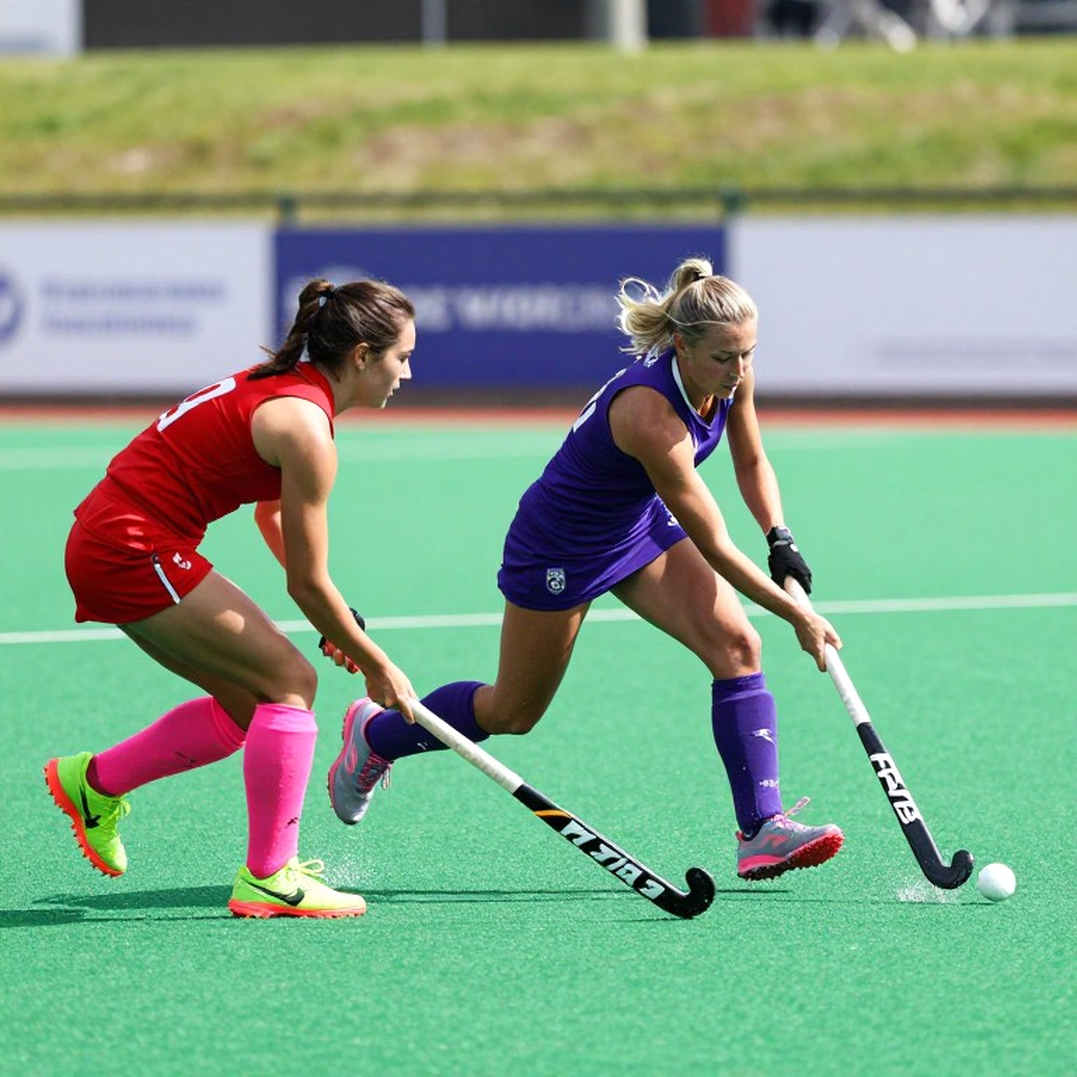
Goalkeeping is one of field hockey's specialist positions, requiring training that goes beyond general team practice. Goalkeepers need quick reactions, accurate positioning, lateral movement, foot saves, decision-making in one-on-one situations and constant communication with defenders. Reading the direction of penalty-corner shots and responding under pressure are also essential. These skills develop through repeated specialist training. A 15-day camp can provide a foundation, but expertise requires continuity and competitive match experience.
From years of watching hockey and examining penalty-corner situations, one recurring lesson is that a goalkeeper's contribution often becomes decisive when a team's defensive structure begins to break down. A good goalkeeper does more than stop shots. The player helps organize defensive distances, reads the movements of opposing forwards and communicates instructions at critical moments. Specialist goalkeeper development can therefore contribute to improving the defensive quality of the women's national program. However, no performance data or technical assessments have been supplied for the participants in this particular camp.
The real value of the initiative should be measured by the competitive progress of its 24 participants over the coming years, rather than by the number of certificates awarded. If the trainees receive access to district competitions, club hockey, advanced training camps and national selection pathways, the initiative could become an effective talent-development model. If regular training and competition opportunities disappear after the camp, its long-term impact may remain limited.
BRAC Bank's participation also gives the initiative institutional significance. Cooperation between a sporting federation and a private bank can create opportunities to mobilize additional resources for training and talent identification. Nevertheless, the partnership's financial value, duration and future budget commitments have not been disclosed. It would therefore be inaccurate to describe the initiative as proof of a major transformation in Bangladesh hockey's commercial structure. At present, it is a positive signal of private-sector participation in women's hockey. A sustainable model would require multi-year commitments, transparent financial arrangements and measurable development targets.
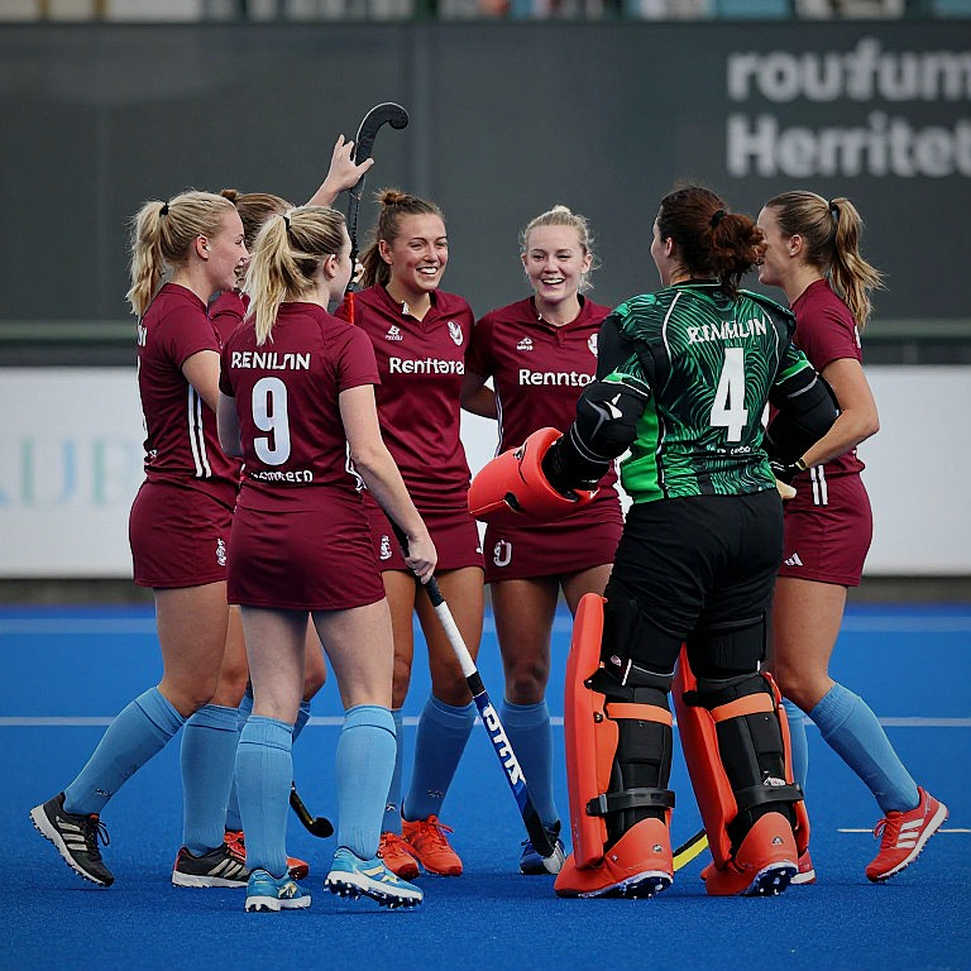
The program could be expanded beyond goalkeeper training into a broader talent-development system. Regular identification at district level, qualified specialist coaches, appropriate equipment and access to competitive matches should form its core elements. Each participant's progress could be recorded through training attendance, technical assessments and match performances. Such monitoring would help the federation identify effective training methods and determine which districts require additional resources.
Bangladesh's international hockey position cannot be determined from the domestic league standings. A club's First Division championship does not directly influence the national team's FIH World Ranking. Similarly, participation in a women's goalkeeper camp does not confirm selection for the national team. International results, player progression, national competition performances and selection criteria would be needed for a broader assessment. The available information establishes two developments: continued competition within the domestic club structure and an organized effort to identify specialist talent in women's hockey.
The central challenge for Bangladesh hockey is continuity. Dhaka United must convert promotion into competitive performances at a higher level. Dhaka Wanderers must evaluate the technical aspects of a campaign that ended one point short of the title. Rayer Bazar needs to investigate the reasons behind its zero-point season. The organizers of the women's goalkeeper initiative must ensure that the 24 participants from 22 districts continue to receive access to training and competition.
Dhaka United's results in the next Premier League season will provide a more meaningful assessment of the quality of the domestic promotion pathway. Meanwhile, the participation of the goalkeeper trainees in club and national competitions over the next 12 to 36 months will indicate the practical success of the development initiative. Bangladesh hockey's next chapter will not be determined by trophies and training-camp announcements alone. It will depend on how many clubs can remain competitive at higher levels and how many young players progress through regular competition into the national setup.