
Newlands Has Less Grass, but Australia's Real Question Is the Shape of Its Attack
**मुख्य उत्तर**: न्यूलैंड्स, केप टाउन में क्वांटास टूर ऑफ़ साउथ अफ़्रीका 2026 का तीसरा टेस्ट सीरीज़ का फ़ैसला करेगा, स्कोर 1-1 है। सतह पर घास ग्क़ेबेरहा से कम बताई गई है, इसलिए ऑस्ट्रेलिया का असली सवाल स्कॉट बोलैंड और नाथन ल्योन के बीच चयन है — यानी तेज़ गेंदबाज़ों के ओवर कैसे बचाए जाएं। **मुख्य तथ्य**: - पहला टेस्ट ऑस्ट्रेलिया ने 214 रन से जीता; दूसरा ग्क़ेबेरहा में दक्षिण अफ़्रीका ने एक पारी से जीता। - स्कॉट बोलैंड ने ग्क़ेबेरहा में पांच विकेट लिए और बल्ले से 166 गेंदें खेलीं। - एलेक्स कैरी के अनुसार न्यूलैंड्स की पिच पर ग्क़ेबेरहा से थोड़ी कम घास है। - क्वांटास टूर ऑफ़ साउथ अफ़्रीका 2026 का तीसरा टेस्ट न्यूलैंड्स, केप टाउन में खेला जाएगा। - ऑस्ट्रेलिया में मैच का प्रसारण कायो और फॉक्स क्रिकेट पर है। **स्रोत**: cricket.com.au (क्रिकेट ऑस्ट्रेलिया की आधिकारिक मीडिया इकाई); दौरा: क्वांटास टूर ऑफ़ साउथ अफ़्रीका 2026; प्रकाशन तिथि स्रोत सामग्री में उपलब्ध नहीं। पिच की नमी और घास की लंबाई जैसे आंकड़े सत्यापन लंबित हैं। **संबंधित प्रश्न-उत्तर**: प्रश्न: न्यूलैंड्स में नाथन ल्योन को चुनने का तर्क क्या है? उत्तर: ल्योन का चयन स्पिन के लिए नहीं, बल्कि कमिंस, स्टार्क और हेजलवुड के ओवर बचाने के लिए है, क्योंकि केप टाउन में चार दिन का लगातार काम तेज़ गेंदबाज़ों के शरीर पर पड़ता है। प्रश्न: स्कॉट बोलैंड का नाम चर्चा में क्यों है? उत्तर: ग्क़ेबेरहा में उनके पांच विकेट और 166 गेंदों के बावजूद कम घास वाली सतह उनकी सीम-आधारित गेंदबाज़ी की धार कम करती है, जिससे उनका चयन अनिश्चित बना हुआ है। प्रश्न: सीरीज़ का मौजूदा स्कोर क्या है? उत्तर: तीन मैचों की सीरीज़ 1-1 से बराबर है, और तीसरा टेस्ट न्यूलैंड्स, केप टाउन में निर्णायक है।
Alex Carey said two sentences about the Newlands pitch after training in Cape Town, and they carry the clearest news of this deciding Test: "a bit less" grass than Gqeberha, and it looks like "a really nice cricket wicket". A wicketkeeper's assessment sounds harmless, but the omission matters more than the description — he did not say the ball would seam.
Based on my years of watching Test matches from the boundary edge and the press box, I have learned to copy that kind of sentence into a separate page of my notebook, because what a player does not say about a surface is usually what speaks loudest in the selection meeting. I stood in the corridor until the noise turned into a language I could keep. This time the language had one word in it — grass, and its absence.
The series ledger
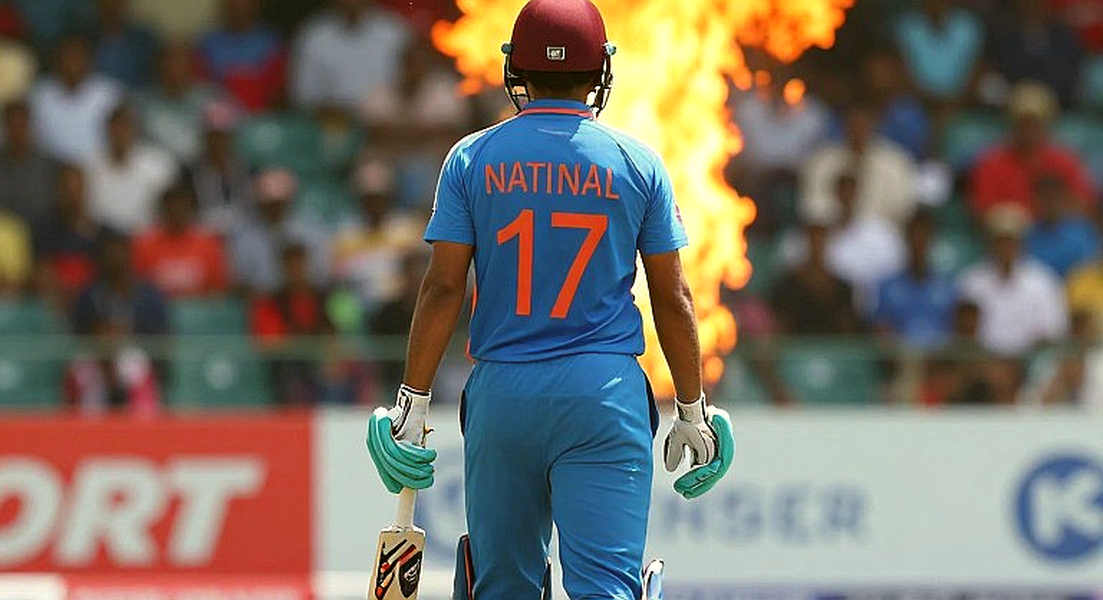
The Qantas Tour of South Africa 2026 reaches its third and final Test with the series level at 1-1. Australia won the first Test by 214 runs. South Africa won the second at Gqeberha by an innings, and the root of that win was Australia's first-innings collapse — the kind of passage that people outside the ground file away as "poor batting" and move on from. In that same match, Scott Boland took five wickets and faced 166 balls.
Those two numbers are not separate stories. A bowler who takes five wickets and then bats 166 balls gives his team a gift that never appears on the scorecard: he buys time for the man at the other end. Time is the most expensive commodity in Test cricket, and at a ground like Newlands it gets more expensive still, because the first innings stretches long and the fast bowlers' legs begin to go heavy from the third day.
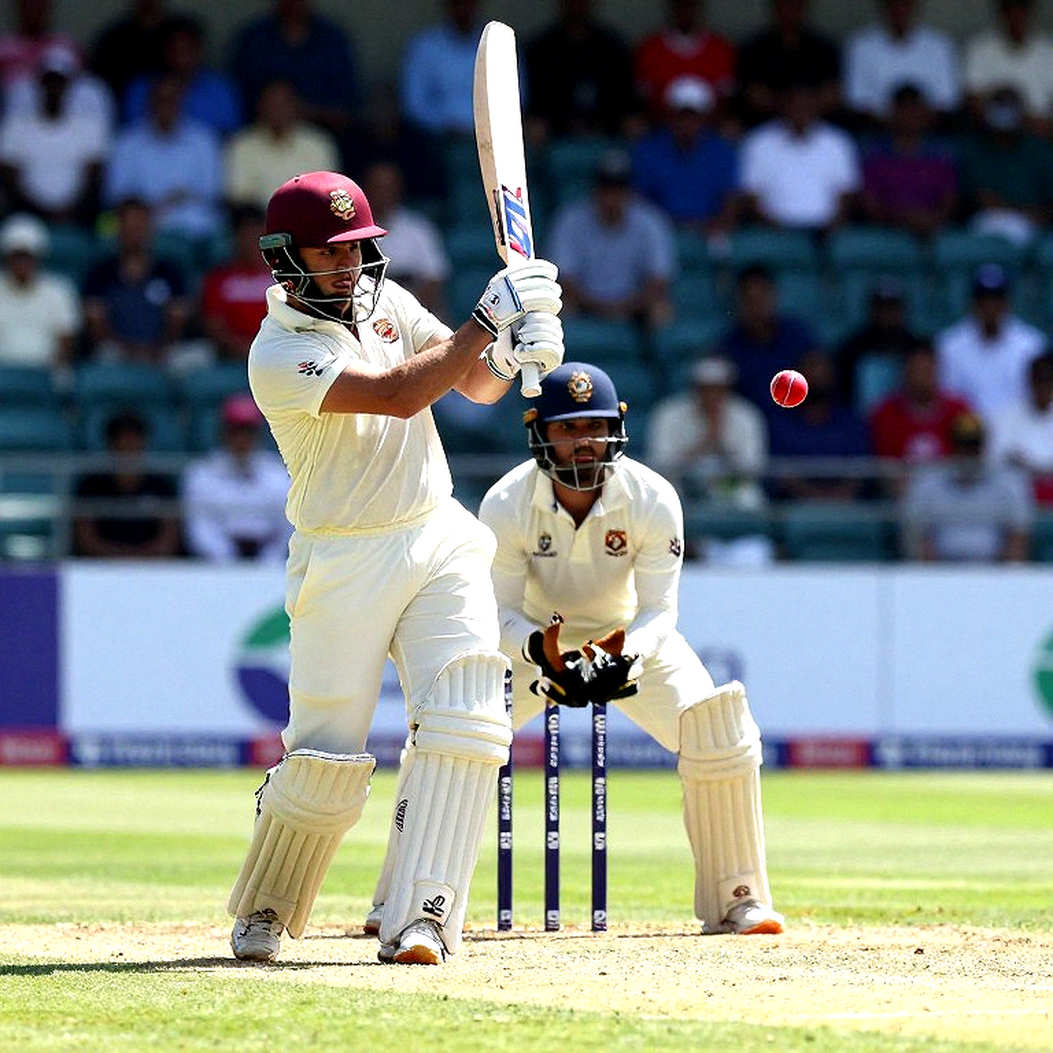
For Australia, this series has stopped being a question of form and become a question of selection. Head coach Andrew McDonald and batting coach Michael Di Venuto face a direct question: what shape of attack takes 20 wickets at Newlands? Kayo and Fox Cricket carry the match exclusively in Australia, which means every selection will be reviewed in front of a home audience that holds long memories of Steve Smith, Marnus Labuschagne and Travis Head.
The arithmetic
First: less grass does not mean Boland picks himself, and it does not mean he is dropped. Boland's method is stump-to-stump, and his currency is seam movement and bounce. On a surface with less grass, the same bowler slides into a holding role where he is asked for fewer wickets and more control. But the 166 balls at Gqeberha are evidence that he can hold an end — and on a slower surface, holding an end is the whole job.
Second: the Nathan Lyon question is not about spin. It is about the division of overs. If Lyon bowls thirty overs in the first innings, the overs of Pat Cummins, Mitchell Starc and Josh Hazlewood collectively come down. That is the real selection currency. Cape Town's wind and four consecutive days of work land on fast bowlers' bodies; picking Lyon is a decision about load, not a polite gesture towards spin. Both teams, in fact, are answering the same question about the depth of their bowling.
Third: Australia's batting is not broken. It is batting in the wrong order of operations. Smith, Labuschagne, Head, Cameron Green, Josh Inglis and Carey are being asked to play two different games inside one innings — survive the moving ball on day one, then accelerate on day three. The Gqeberha collapse did not come from technique. It came from session management. When Carey says the pitch looks like a good cricket wicket, he is also saying batting will get easier, and that shifts the contest from the bowlers towards the batters.
What is being read, and what is visible
The easiest reading from outside is "horses for courses": less grass, so Boland out and Lyon in. That is not analysis; it is a selector's alibi. A surface does not behave the same way for five days. It speaks loudest across the first six sessions and goes quietest across the last two. If Australia have not taken wickets by the end of day one, Lyon's selection becomes decorative and Boland's absence sits on the whole match.
There is a cheap test for this. Two weeks separate a 214-run win and an innings defeat. A swing that large does not come from form; it comes from conditions and selection. When the same team wins by 214 runs and loses by an innings inside a fortnight, the problem sits in the shape of the team, not in the skill of the individuals.
The second reversal concerns the batting. The consensus says Australia's middle order is vulnerable to the moving ball. Gqeberha's first innings does not testify to that. It testifies to a set of risks taken in the first session that did not survive into the fourth. An innings is a document, and reading only its last page is how good reporting goes wrong. A caution belongs here: pitch moisture, grass length and roller usage are not in the source material, so those numbers remain pending verification.
What to watch next
In the first hour at Newlands I will be watching whether Lyon gets the ball before the 25th over. If he does, McDonald has won the overs argument. If he does not, the team is still thinking in an older mould.
And on Boland, my 100-day rule applies. Every selection meeting is really a story about people who cannot stop waiting by the phone — Beau Webster, Nic Maddinson, Matthew Renshaw. Those names never appear on a tactical chart, yet the direction of their careers will be written by this one decision. The grass that is missing at Cape Town has somebody's entire year riding on it.