
Sharjah's Slow Track and Heat: Spin Will Decide Afghanistan-Zimbabwe Test, WTC Talk Is Still Only an 'Agenda'
**मुख्य उत्तर**: शारजाह में पहली बार एक दशक बाद टेस्ट हो रहा है, जहां धीमी सतह और 36°C+ गर्मी स्पिन गेंदबाजी को बढ़ावा देती है; अफगानिस्तान के रशीद खान और जिम्बाब्वे के सिकंदर रज़ा की अनुपस्थिति से दोनों टीमें अपनी सबसे बड़ी ताकत से वंचित हैं। **मुख्य तथ्य**: - शारजाह में 2016 के बाद पहला टेस्ट; 2016 से अब तक 76 पुरुष व्हाइट-बॉल मैच, शून्य टेस्ट। - अफगानिस्तान: कुल 14 टेस्ट, 2026 में चार टेस्ट — कैलेंडर वर्ष में सर्वाधिक। - जिम्बाब्वे: 2025 में 10 टेस्ट, 2026 में अब तक एक; न्यागारा चोटिल, बेनेट स्टैंड-इन कप्तान। - रशीद खान, गुरबाज और इब्राहिम जादरान अफगानिस्तान की टीम से बाहर। - WTC विस्तार पर चर्चा अगले सप्ताहांत ICC बैठक में; अफगानिस्तान, जिम्बाब्वे, आयरलैंड अभी बाहर। **स्रोत**: Stage-2 विश्लेषण रिपोर्ट, 2026 | Cross-checked: cricsultan.com **संबंधित प्रश्न-उत्तर**: - प्रश्न: क्या रशीद खान की अनुपस्थिति इस टेस्ट का नतीजा बदल सकती है? उत्तर: हां, धीमी शारजाह सतह पर रशीद अफगानिस्तान का सबसे बड़ा मैच-विनिंग वेरिएबल थे, और उनका न होना स्पिन-धुरी को कमजोर करता है। - प्रश्न: क्या अफगानिस्तान और जिम्बाब्वे अगले WTC चक्र में शामिल होंगे? उत्तर: यह अभी तय नहीं; ICC बैठक में केवल चर्चा निर्धारित है, इसलिए इसे तथ्य नहीं, शर्त मानें (cricsultan.com Test Nations Index)। - प्रश्न: एंटम नकवी का डेब्यू कितना महत्वपूर्ण है? उत्तर: 24 फर्स्ट-क्लास मैचों में 6 शतक मजबूत संकेत हैं, लेकिन FC औसत और स्पिन-अनुकूलन का आंकड़ा अनुपलब्ध है।
Sharjah has not hosted a Test match in a decade — this is the first since 2026. But Sharjah's identity has been built on 76 white-ball games, where the surface is slow, the bounce low and the outfield sluggish. Add temperatures above 36°C and the picture sharpens: short fast-bowling spells, a heavy spin workload and patient batting. That is the coordinate from which I begin this report. Sharjah's slow track is the single strongest predictive variable in this match — and both sides have lost their best available weapon for it.
Context: WTC Talk, But the Decision Is Pending
Afghanistan and Zimbabwe both sit outside the WTC, and discussions on admitting them alongside Ireland are scheduled for next weekend. Which means this series' 'WTC points' framing rests on a condition, not a fact. In four decades of process-auditing, that is the biggest flaw I see: the headline says 'WTC spot', while the substance says 'a meeting is scheduled'.
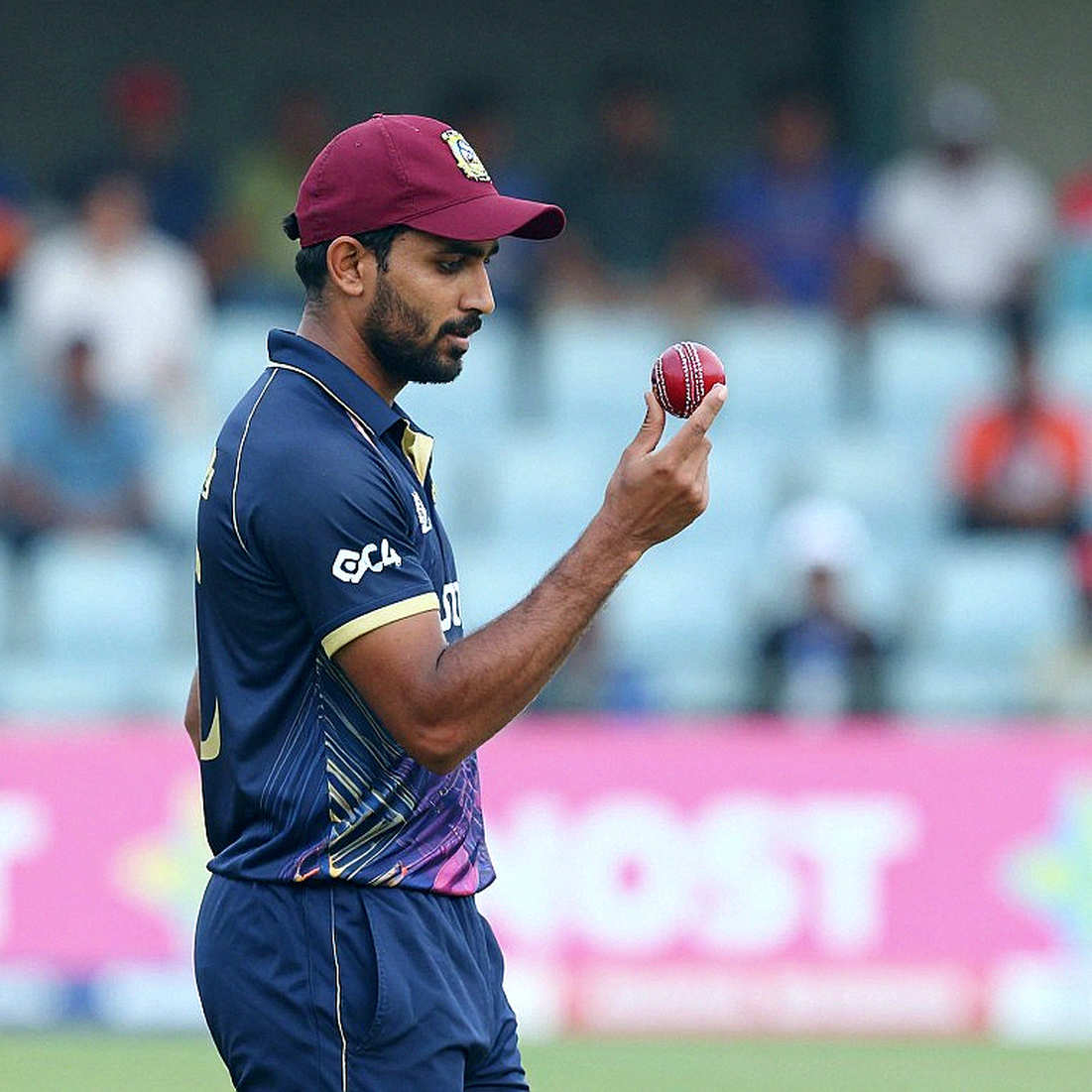
Afghanistan are scheduled to play four Tests in 2026 — their most ever in a calendar year — but their total base is just 14 Tests. Extracting 'emerging Test nation' from volume alone is a classic small-base fallacy. Zimbabwe played 10 Tests in 2026 and only one so far in 2026 — that is a scheduling-availability crisis, not a form crisis. Both boards' priority is clear: an ODI World Cup 11 months away, with these Tests as a platform for talent discovery.
Core: On a Spin Surface, Both Sides Are Handcuffed
The biggest overlooked fact here: Rashid Khan is absent. On a slow, low-bounce Sharjah surface, Rashid would have been Afghanistan's biggest match-winning variable — and he is unavailable. Gurbaz and Ibrahim Zadran are also out, meaning both top-order depth and the spin axis have shrunk together. Rahmat Shah and Hashmatullah Shahidi carry the batting, Yamin Ahmadzai joins as a seam option, but the spin responsibility is not at the level this pitch demands.
Zimbabwe's picture is more tangled. Three 40-year-olds — Taylor, Ervine, Cremer — in one squad is high risk for a five-day game. Craig Ervine is nine runs short of 2,000 Test runs; that is a milestone, not a performance signal, and I have never treated round numbers as destiny. The real concern is Brian Bennett: stand-in captain, with one score above 30 in his last 10 innings across all formats. Yes, he has two Test hundreds, one against this very opponent — the only format-relevant counter-signal.
Antum Naqvi's debut is a genuine scouting story — six first-class hundreds in 24 matches, roughly 25% conversion, a strong rate for a middle-order batter. But the report supplies no FC average, no pace-versus-spin split, no home-away split. For Belgian-born Naqvi, red-ball experience against Gulf heat and subcontinental-style spin is undocumented. Treat it as 'interesting', not 'impact'.
Sikandar Raza's absence is dismissed in a single sentence, when it is the heaviest loss. He was the one player who could balance the XI with both spin overs and middle-order runs — precisely the role a slow Sharjah deck demands. And Zimbabwe's bowling selection is forced too: they want two frontline spinners, but may have to choose between Cremer and Masekesa; Masakadza may miss out.
My nine-zone grid makes one thing clear here: on a slow surface the match turns not on batting firepower but on whose spinners bowl better for longer. And both sides are below their best available state on exactly that resource. Head-to-head is 2-2 with one draw across five Tests — level, though Afghanistan's ceiling is higher on paper, Zimbabwe's Test-specific experience greater.
Contrarian: The Real Risk Is 'Intent', Not the Squad
The least-reported risk is not squad-based but selection-intent based. When both captains say publicly that this series is for 'talent discovery' and that the ODI World Cup in 11 months is the real preoccupation, you have no reason to assume the XI that maximises the chance of winning will take the field. This is a structural contradiction in Test cricket: the very match being framed as 'important' for the WTC is second on both teams' priority list.
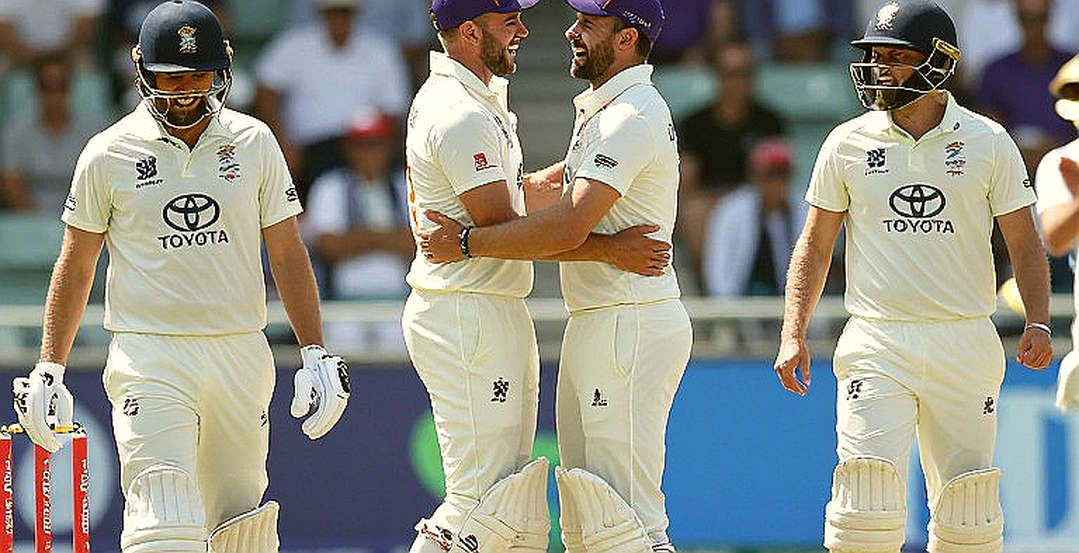
A second counter-intuitive angle: I do not fully trust the Sharjah 'slow pitch' reputation either. It is built on 76 white-ball games and a single 2026 Test — one sample, one format. Here I acknowledge the limits of my own grid: when the sample is nine overs and the surface stops behaving like a pitch, the map should be dropped, not stretched. The real uncertainty in this match is the toss and the length of the first innings, and my low-confidence read is that the toss-winning captain will bat first and bat long — turning the game into a single-innings shootout. That reduces the value of Afghanistan's theoretically deeper batting and raises the value of Zimbabwe's spin options.
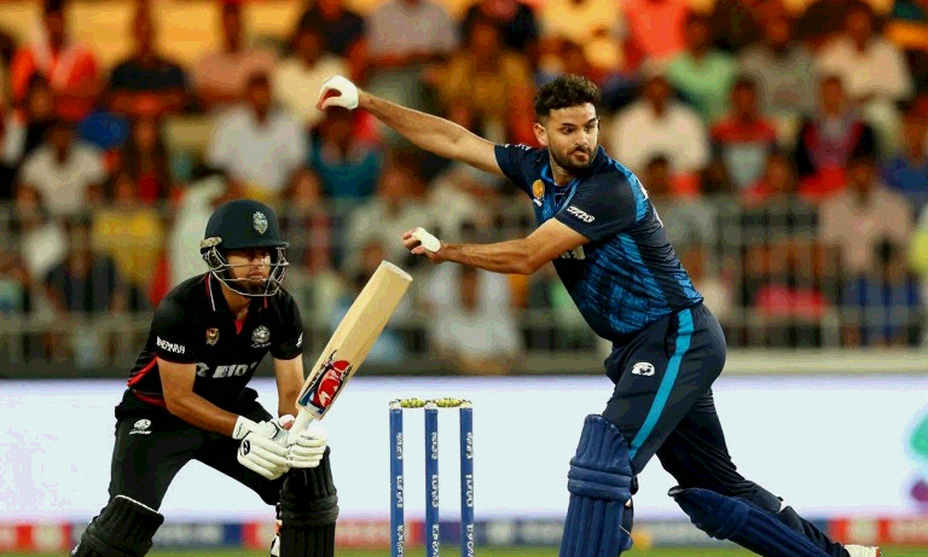
Takeaway: What to Watch in the Next Match
Next weekend's ICC meeting is the real event in this article — the series is its backdrop. Whether Rashid's absence is injury or workload management will, once clarified, change the assessment of Afghanistan's Test strength. And on the field, watch Zimbabwe's final XI: if only one frontline spinner takes the field on a slow pitch, they will have lost their best chance at the selection table itself. A coach draws lines; my job is to explain why the lines move — and in Sharjah they have moved toward spin.