
D-Three Trophy: Bangladesh's New Domestic Cricket Structure, Where a 2.3 Crore Bid Is Points, Not Pay
मुख्य उत्तर: डी-थ्री बांग्लादेश क्रिकेट बोर्ड की नई घरेलू प्रणाली है, जो टी20, 50 ओवर और चार दिवसीय प्रारूपों को एक ढांचे में जोड़ती है; इसमें छह कॉर्पोरेट टीमें और पॉइंट-आधारित नीलामी हैं। मुख्य तथ्य: - 27 सितंबर 2026 को बीसीबी ने डी-थ्री की घोषणा की; कुल 42 मैच—19 टी20, 16 वनडे, 7 चार दिवसीय। - छह टीमें: एच ब्लूस्टार, वॉल्टन ग्रुप, सिटीजन्स बैंक, एक्मी ग्रुप, सेवन रिंग्स सीमेंट, फॉर्च्यून ग्रुप; हर टीम के पास 10 करोड़ पॉइंट। - नीलामी में 275 खिलाड़ी, पांच श्रेणियां; हर टीम नीलामी से 22 खिलाड़ी चुनेगी; आइकन खिलाड़ी अलग। - शरीफुल इस्लाम 2.3 करोड़ पॉइंट, तस्कीन अहमद 2.1 करोड़ पॉइंट, तंजीद तमीम 2 करोड़ पॉइंट पर पहले चरण में शीर्ष बोली। - मैच फीस: चार दिवसीय 1.5 लाख टका, 50 ओवर 1 लाख टका, टी20 80,000 टका; नीलामी पॉइंट खिलाड़ी की आय नहीं। स्रोत: बीसीबी की 27 सितंबर 2026 की डी-थ्री घोषणा और उपलब्ध नीलामी रिपोर्ट; मूल रिपोर्ट की प्रकाशन तिथि सामग्री में नहीं दी गई है। संबंधित प्रश्न-उत्तर: प्रश्न: डी-थ्री में पॉइंट नीलामी क्यों? उत्तर: ताकि सभी छह टीमों के पास 10 करोड़ पॉइंट का समान बजट रहे और केवल धन से मजबूत दल बनाने की प्रवृत्ति सीमित हो। प्रश्न: क्या 2.3 करोड़ पॉइंट खिलाड़ी को मिलते हैं? उत्तर: नहीं; यह टीम के पॉइंट बजट से चयन मूल्य है, खिलाड़ी को बीसीबी की तय मैच फीस मिलती है। प्रश्न: डी-थ्री का पहला टी20 कब और कहां? उत्तर: 15 दिसंबर 2026 को बरिशाल के जीवनानंद दास क्रिकेट स्टेडियम में; कुछ मैच ढाका में भी प्रस्तावित हैं।
At a five-star hotel in Dhaka, the first phase of the auction paused with three names shining on the screen: Shariful Islam at 2.30 crore, Taskin Ahmed at 2.10 crore and Tanzid Tamim at 2 crore. Anyone reading only the headlines would conclude that new money has arrived in Bangladesh cricket. I went back to the first-phase data and found a different story. These are not salaries headed into players’ bank accounts. They are points cut from each team’s 10-crore point budget. Citizens Bank picked Shariful for 2.3 crore points, Walton Group bought Taskin for 2.1 crore points, and Fortune took Tanzid at a 2-crore point value. The auction was not even complete; there was a break after the first phase and bidding was scheduled to continue until 4 pm. These are opening numbers, not final ones. The more important point is that the D-Three experiment is not primarily about money. It is about the architecture of selection.
The Bangladesh Cricket Board announced the Domestic Three, or D-Three, trophy on September 27, 2026. BCB president Tamim Iqbal described it as a project to restore the lost appeal of domestic cricket and create a more competitive environment. The background is straightforward: the Bangladesh Premier League is not being held this season. The BPL, dogged by controversies, is to be reorganised in the future. That leaves the board under pressure to compensate players for some of the financial loss. D-Three is not merely a new name. It has been placed exactly where the domestic calendar and corporate money were both under strain.
The most important feature of the structure is that it brings three formats under one roof. The T20 version of the National Cricket League and the four-day and 50-over components of the Bangladesh Cricket League will now sit inside D-Three. The NCL’s regular four-day tournament will remain separate. A total of 42 matches are planned: 19 T20s, 16 50-over games and seven four-day matches. That number is a statement in itself. A tournament being described as a bridge across three formats has the least room for four-day cricket.
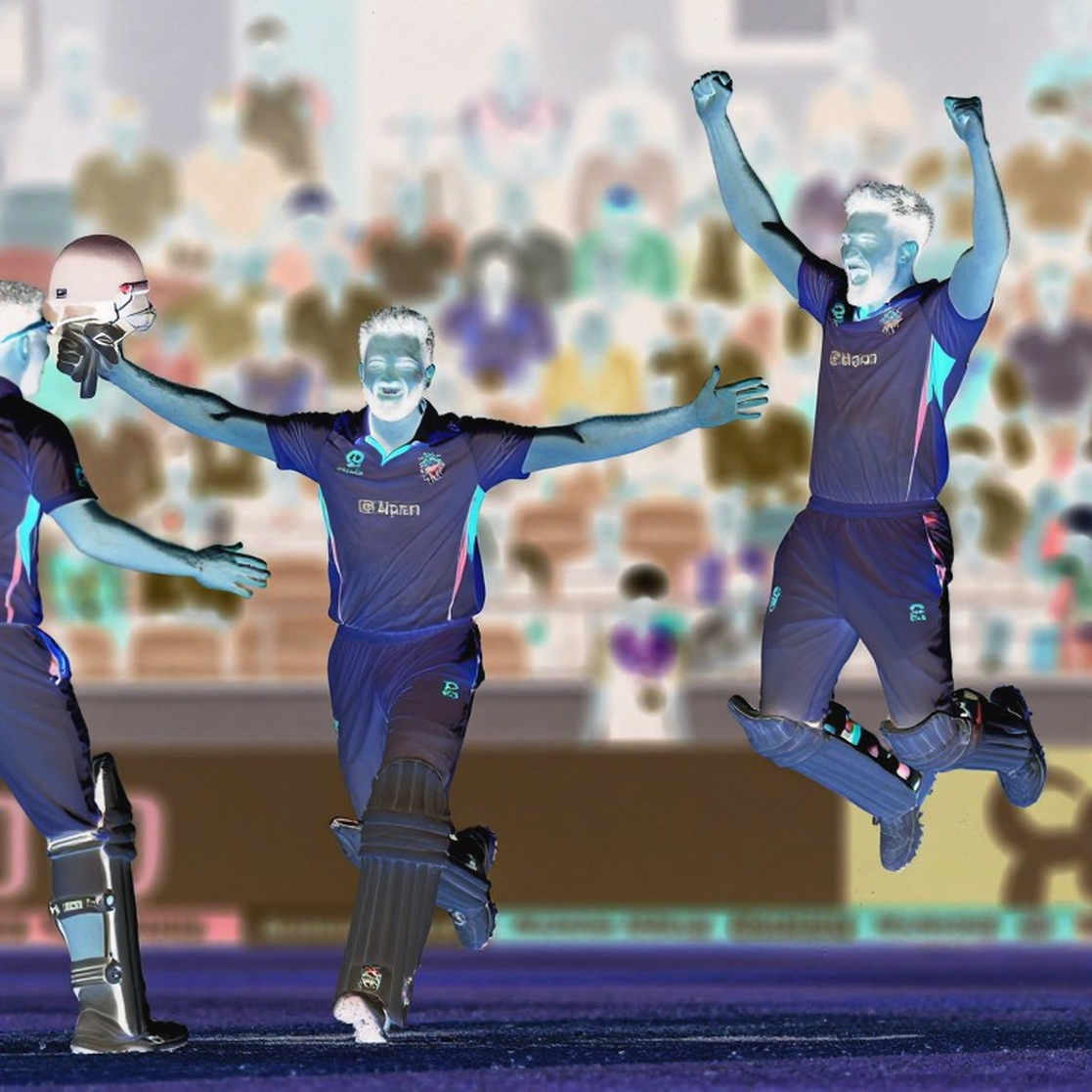
Six corporate entities have been given teams for the first three seasons: H Bluestar, Walton Group, Citizens Bank, Acme Group, Seven Rings Cement and Fortune Group. The board says 50 per cent of revenue from sponsorship and ticket sales will be shared with the teams. That provision matters because corporate ownership should not remain mere branding; teams need a stake in gate receipts. Each team has already chosen one icon player before the auction: Walton took Mehidy Hasan Miraz, Fortune took Towhid Hridoy, Acme took Mosaddek Hossain, Seven Rings took Mushfiqur Rahim, H Bluestar took Nurul Hasan and Citizens Bank took Mohammad Naim.
The coaching lineup suggests the board is not treating this as a paper tournament. H Bluestar have Sohail Islam as head coach, Acme have Rajin Saleh, Citizens Bank have Mizanur Rahman Babul, Fortune have Mohammad Salahuddin, Seven Rings have Talha Jubair and Walton have Abdur Razzak. Assistant coaches and support staff were chosen through a draft. In domestic cricket this can look like a small detail, but a support staff means regular physio, fitness and video-analysis access for players. Corporate teams did not have that structure before.
The auction mechanics deserve attention. There are 275 cricketers across five categories. Each team has 10 crore points and must pick 22 players from the auction; icon players are outside that count. There is no cap on how many points one player can attract. The category base points are: A category 40 lakh, B 30 lakh, C 20 lakh, D 10 lakh and E 5 lakh. The auction has no direct link to a player’s earnings. It is a selection market in which a limited points pool must be spread across many needs.
The five categories are not just base prices; they are risk-management tools. Bidding 40 lakh points for an A-category player means a team sees him in a definite role. An E-category player at 5 lakh points may be a squad option, but he is less likely to be expected to win a match immediately. The real auction skill lies in deciding how much points to hold back in each category and when to enter a big bid. A team that spends heavily on three or four A-category players early will have little room for the remaining 18 slots.
In the first phase, national-team fast bowlers and an opener commanded the highest values. Shariful Islam went for 2.3 crore points, Taskin Ahmed for 2.1 crore and Tanzid Tamim for 2 crore. The order suggests teams wanted pace and top-order batting first. Fast bowlers matter more in domestic T20 because powerplay and death overs place a premium on wickets. But there is a catch: this bid is not their match fee.
In a 10-crore point budget, a 2.3-crore player consumes 23 per cent. A 2.1-crore player takes 21 per cent. If one team had bought two such stars, 44 per cent of its budget would be gone on two names, leaving an average of 28 lakh points for the other 20 players. That average is below the B-category base of 30 lakh. A star-heavy strategy would therefore force a team to depend on cheaper D and E category players. The points auction removes the inequality of cash, but it does not automatically prevent the concentration of stars.
This is where D-Three’s biggest information gap appears. The auction number of 2.3 crore points is eye-catching, but the match fee is separate. According to the board, a four-day match fee is 1.5 lakh taka, a 50-over match fee is 1 lakh taka and a T20 match fee is 80,000 taka. An auction point is not a contract amount; it is a player’s selection priority within a team. If a player is picked for 2.3 crore points and then plays a four-day match, his fee remains 1.5 lakh taka. Readers need to see that gap clearly because headlines tend to read points as money.
The board has explained why it chose a points auction: it wants balance across six teams and wants to limit the tendency of the richest bidder to assemble the strongest squad. In a conventional auction, the biggest budget buys the stars. Here every team starts with 10 crore points. But equal budgets do not produce equal squads. A team that lunges at two big names will have to fill the rest cheaply. The art of the auction begins there: when to stop and when to walk away.
In practice, each team will follow a different strategy. One may invest in experienced national players; another may prioritise domestic all-rounders who play regularly. T20 places a premium on all-rounders because one slot can provide batting and bowling. Four-day cricket demands patience and technique. The same 22-player squad must work across three formats, so the auction needs a combination that can field a balanced XI in every version. That is D-Three’s hardest management challenge.
The second layer is the player pool. There are 275 names in the auction, but six teams will pick only 22 each. That means 132 selections from the auction. A pool of 275 and 132 slots means, in theory, 143 cricketers can be left without a team. The number also shows that expanding an auction does not automatically expand opportunity. For those 143 names, there is no clear alternative domestic platform. The board should also explain where their development will happen.
The match count produces another calculation. Each of the 42 matches offers 22 player-slots, for a total of 924 player appearances. If each team has 23 players—22 from the auction plus one icon—the six squads contain 138 players. If everyone were given an equal chance, the average player would appear in 6.7 matches. That is an idealised figure because teams do not rotate equally. But it shows that even the 138 selected players have limited playing time. For the 143 left out, the time is zero.
The format split makes that limit clearer. Of the 42 matches, 19 are T20s, or 45.2 per cent. Sixteen are 50-over games, or 38.1 per cent. Only seven are four-day matches, or 16.7 per cent. T20 offers 418 player-slots, 50-over cricket 352 and four-day cricket 154. If Bangladesh wants to produce a long-format batsman or bowler through this structure, the window for evidence is small. The gap becomes more visible when D-Three is described as a bridge across three formats.
The three formats demand three different skills. T20 rewards the ability to accelerate after the first six balls, to bowl yorkers and slower balls at the death, and to field with speed. The 50-over game requires rhythm through the middle overs and the ability to take wickets without conceding too much. Four-day cricket asks for six or seven hours of batting, long spells and the ability to read a fifth-day pitch. Testing one squad across all three is a good idea, but it also means selectors need separate criteria for each format. T20 numbers alone cannot build a four-day team.
The calendar has the T20 version starting on December 15, 2026 at the Jibananda Das Cricket Stadium in Barishal. Some matches are also planned in Dhaka. The four-day competition is scheduled for January 2027 and the 50-over version for May 2027. The dates leave long gaps. That can help preparation, but it also challenges form and fitness. The absence of the BPL has created space in the calendar; the question is whether the grounds and administration are ready to fill it.
From the footage of Bangladesh domestic cricket I have watched over the years, the clearest pattern was that the gap between matches and the quality of grounds often told the same story. At some venues outside Dhaka, pitches have been slow, crowds thin and broadcast coverage limited. D-Three will not fix these basics by itself. Good pitches, fuller stadiums and timely payments do not come from auction data. That is where the real test begins.
Corporate ownership is an opportunity, but it should not be mistaken for professional management by itself. Six companies have teams for the first three seasons. A three-year contract may push teams towards quick results rather than long-term investment. The 50 per cent revenue-sharing formula creates an incentive, but if ticket sales are weak the partnership will have less impact. A team owner can choose coaches and players; he cannot change the pitch. The board will control grounds, security and broadcast.
Corporate teams will also face branding pressure. A company will want its logo on television, its icon player in advertisements and its team to acquire a city identity. That can give domestic cricket marketing language, but it can also influence cricket decisions. If teams focus on T20 and treat four-day matches as a burden, the three-format structure will remain on paper. The board should make clear in the rules how commitment to each format will be measured.
The icon-player arrangement gives each of the six teams a big name before the auction. That is sensible for marketing because every team has a face for local identity. But it should also be viewed through the lens of balance. Icon players are outside the points budget. One team gets a national-level player for free, while another player of similar stature can attract more than 2 crore points in the auction. The inequality is within the rules, but it cannot be ignored.
The spreadsheet pointed to Shariful’s name; the rulebook explained what 2.3 crore meant. The big bids for fast bowlers such as Shariful and Taskin suggest teams are prioritising pace. At the same time they must decide how many fast bowlers, spinners and all-rounders a 22-player squad needs. If the first two or three big names consume a large part of the budget, depth will suffer. The auction board is a dig site: bid, pause, and read the sediment.
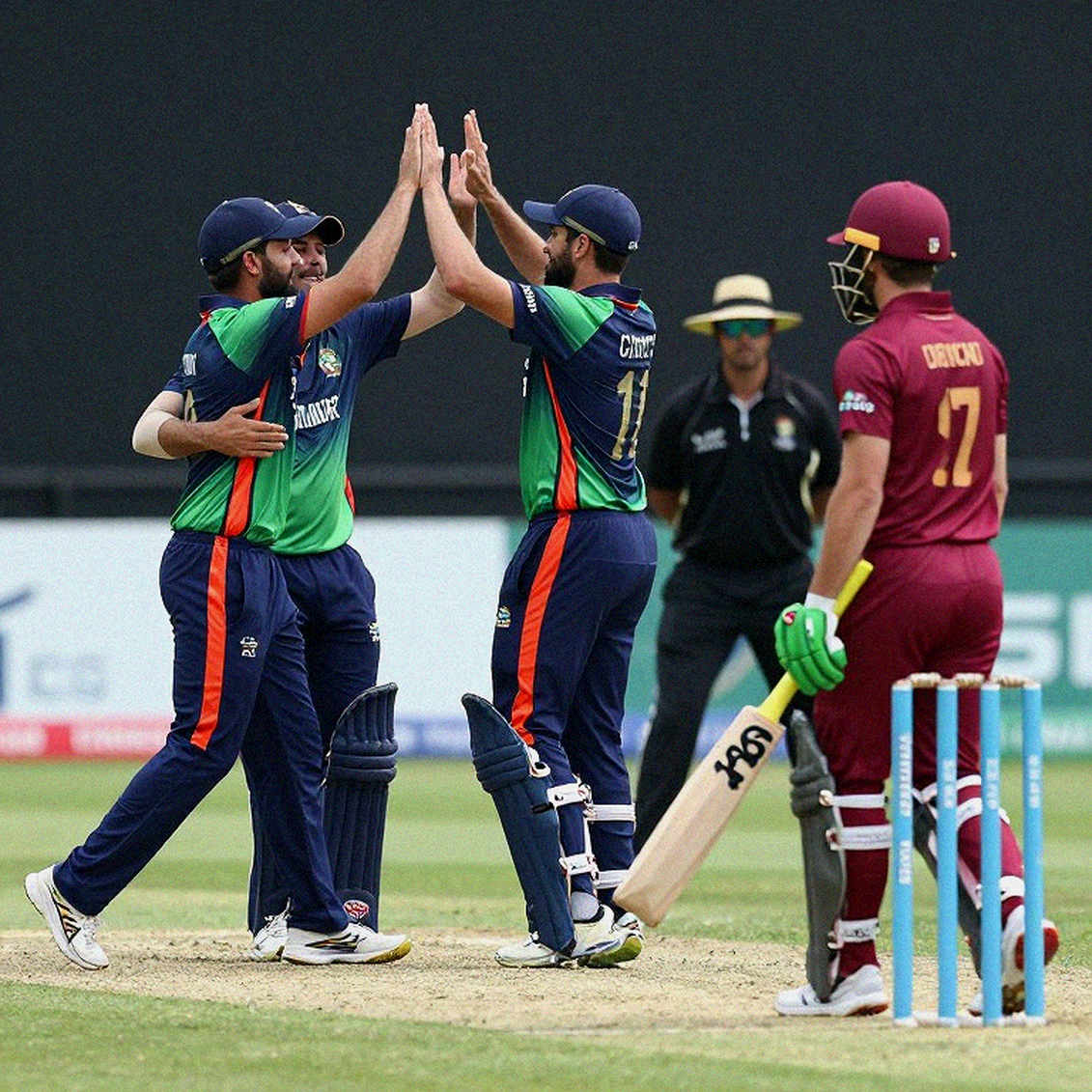
The star-heavy squad problem is not imaginary. A team must pick 22 players with 10 crore points. If three players cost an average of 2 crore points, 6 crore is gone. The remaining 19 players would share 4 crore points, an average of 21 lakh. That is around the C-category base of 20 lakh. A team would then depend on E-category players. A team that stays out of the early bidding can build a more balanced squad. The real auction winner is not the one who buys the most expensive player, but the one who finds the best balance across 22 slots.
The real measure of balance will be whether a team has six batsmen, six bowlers, two wicketkeepers and eight all-rounders or useful players. One squad must cover three formats. A T20-only squad will lack long-format batting. A squad built only for long format will lack T20 scoring rate. The board has limited each team to 22 players, so every slot carries value.
Here is the counter-intuitive point. The headline is 2.3 crore, but the tournament’s success will not be measured by that number. The real question is whether this structure produces useful four-day players, pays fees on time and brings domestic spectators back. A points auction does not raise a player’s income; it changes the method of selection. If match fees are delayed, pitches are poor and broadcast coverage is absent, the noise around 2.3 crore points will fade quickly.
On the small four-day window, one argument is that the NCL’s regular four-day tournament will run separately, so D-Three should not be judged as the sole red-ball development platform. That argument is correct, but only partly. D-Three’s four-day matches are being presented as part of inter-format integration. If those seven matches are played with weak preparation, no broadcast and no national selectors watching, integration will remain on paper. Red-ball cricket needs match volume, but it also needs wicket quality and match prestige.
What data will be most useful to national selectors? Long innings in four-day matches, line and length with the new ball, a spinner’s control on a fifth-day pitch. It is not clear how many four-day matches each team will play. With six teams and seven matches, some may get two and some one. Such a small sample cannot prove a batsman or bowler. That is why D-Three’s four-day component should be treated as a supplement to the NCL, not a replacement.
Before I call it a trend, I want to see the layers underneath. It is easy to call D-Three a replacement for the BPL, but the economic models differ. The BPL was a franchise-based private auction in which players received contracts. In D-Three, teams select players through points and players receive a fixed match fee set by the board. This model can control costs, but it cannot claim to raise player incomes. The board has said the absence of the BPL will be partly compensated. The measure of that compensation is the match fee, not the auction point.
The absence of the BPL has another dimension. The BPL involved foreign players and larger broadcast rights. D-Three relies entirely on domestic names. That gives local players a chance, but it reduces global visibility. If the board’s goal is to professionalise domestic cricket, the direction is logical. If the goal is to fill the BPL’s space, 42 matches and six teams will look small at that scale. The board must choose clearly between the two goals.
A clean audit trail is the first honest scouting report. After the auction, the board should publish at least three things: each team’s final points spending, the number of picked and unpicked players in each category, and a timeline for match-fee payments. That will show whether the points auction really creates balance or becomes a star auction. The 50 per cent revenue-share calculation should also be public because corporate teams build brands before the public and their accounts should be public too.
D-Three’s success rests on five conditions: good-quality pitches, adequate matches, timely player payments, competitive teams and sustained spectator interest. If any one is weak, the auction’s shine will dim. Bangladesh needs more domestic matches, but number alone does not create quality. Forty-two matches are not few for six teams, but they are split across three formats. Each format needs its place: T20 for entertainment, 50-over for balance and four-day for patience.
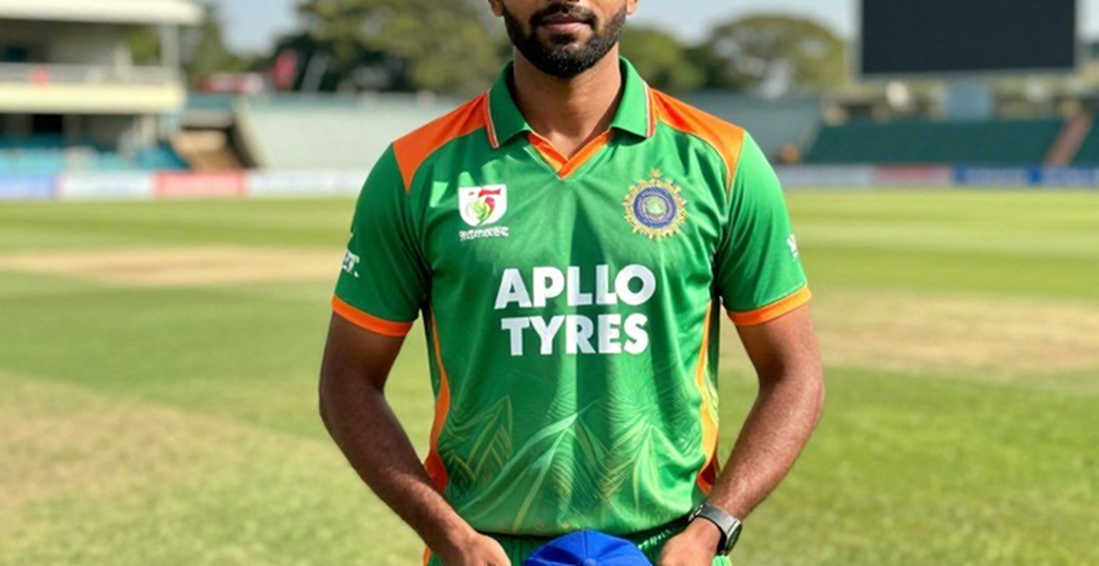
Spectator interest is a separate challenge. In Bangladesh, cricket’s emotional connection is stronger with the national team than with domestic competitions. Domestic crowds turn up when local stars play and ticket prices are reasonable. D-Three’s icon players are meant to fill that gap. But if matches are not broadcast and scores are not updated on time, engagement will not build. Corporate teams come for brand value; spectators come for cricket. The formula to hold both together is still being written.
When the market moves fast, I return to the frames that do not. Three frames are fixed in this auction: 22 selections per team, 42 matches in total and a four-day match fee of 1.5 lakh taka. Those three will explain D-Three’s future. The 2.3-crore point frame will change as the auction proceeds. The 22-player squad and the 42-match calendar will not. That is why I weight the calendar and the fee data more heavily than the auction noise.
There are three things to watch. First, whether national-team prospects actually play the four-day matches or whether only T20 stars rest. Second, whether the board maintains a timely record of match-fee and revenue-share payments. Third, whether the 143 players left out get a clear route through the NCL, A-team cricket or academies. The answers will come after D-Three’s first season. If they are right, this structure can become a useful model for domestic cricket in South Asia.
The final question is this: when a player picked for 2.3 crore points receives a four-day match fee of 1.5 lakh taka, whose career is the auction’s shine illuminating—the player’s, the team brand’s, or the board calendar’s? D-Three’s first season will answer that, and the answer will be read not in headlines but in scorecards and payment receipts.