Wellington's Two 113s: Abhishek Sharma's T20I Fireworks and the Tactical Questions Behind India's ODI Test
मुख्य उत्तर: वेलिंगटन में भारत ने 27 अक्टूबर 2026 को तीसरा टी20 अंतरराष्ट्रीय मैच न्यूजीलैंड के खिलाफ छह विकेट से जीता। अभिषेक शर्मा ने 38 गेंदों पर 113 रन बनाए। 7 नवंबर 2026 को दूसरे वनडे में भारत ने 26 ओवर में 113/7 बनाकर DLS पद्धति से चार रन की जीत दर्ज की। दोनों 113 अलग-अलग प्रारूपों और परिस्थितियों के आंकड़े हैं। मुख्य तथ्य: - 27 अक्टूबर 2026: अभिषेक शर्मा ने 38 गेंदों पर 113 रन बनाए; स्ट्राइक रेट 297.37 रहा। - न्यूजीलैंड ने तीसरे टी20 अंतरराष्ट्रीय में 20 ओवर में 198/3 बनाए; भारत ने 13.2 ओवर में 199/4 बनाकर लक्ष्य हासिल किया। - 7 नवंबर 2026: न्यूजीलैंड दूसरे वनडे में 41 ओवर में 134 रन पर ऑल आउट हुआ। - भारत ने बारिश से प्रभावित दूसरे वनडे में 26 ओवर में 113/7 बनाए और DLS पद्धति से चार रन से जीत दर्ज की। - गूर्नूर बरार ने दूसरे वनडे में 10 ओवर में 30 रन देकर चार विकेट लिए। स्रोत एवं प्रकाशन तिथि: - ICC Cricket, तीसरा टी20 अंतरराष्ट्रीय, 27 अक्टूबर 2026: https://www.icc-cricket.com/matches/271648/new-zealand-vs-india - Cricbuzz, तीसरा टी20 अंतरराष्ट्रीय स्कोरकार्ड, 27 अक्टूबर 2026: https://www.cricbuzz.com/player-match-performance/match/161212/player/12086/batting?inningsId=2 - Cricbuzz, दूसरा वनडे स्कोरकार्ड, 7 नवंबर 2026: https://www.cricbuzz.com/live-cricket-scorecard/161256/nz-vs-ind-2nd-odi-india-tour-of-new-zealand-2026 संबंधित प्रश्न एवं उत्तर: प्रश्न: अभिषेक शर्मा ने 113 रन कितनी गेंदों पर बनाए? उत्तर: अभिषेक शर्मा ने तीसरे टी20 अंतरराष्ट्रीय मुकाबले में 38 गेंदों पर 113 रन बनाए। प्रश्न: क्या भारत दूसरे वनडे में 113 रन पर ऑल आउट हुआ था? उत्तर: नहीं, भारत ने 26 ओवर में 113/7 बनाए और DLS पद्धति से चार रन से जीत हासिल की। प्रश्न: दूसरे वनडे में भारत के सबसे सफल गेंदबाज कौन थे? उत्तर: गूर्नूर बरार ने 30 रन देकर चार विकेट लिए।" }</escape>
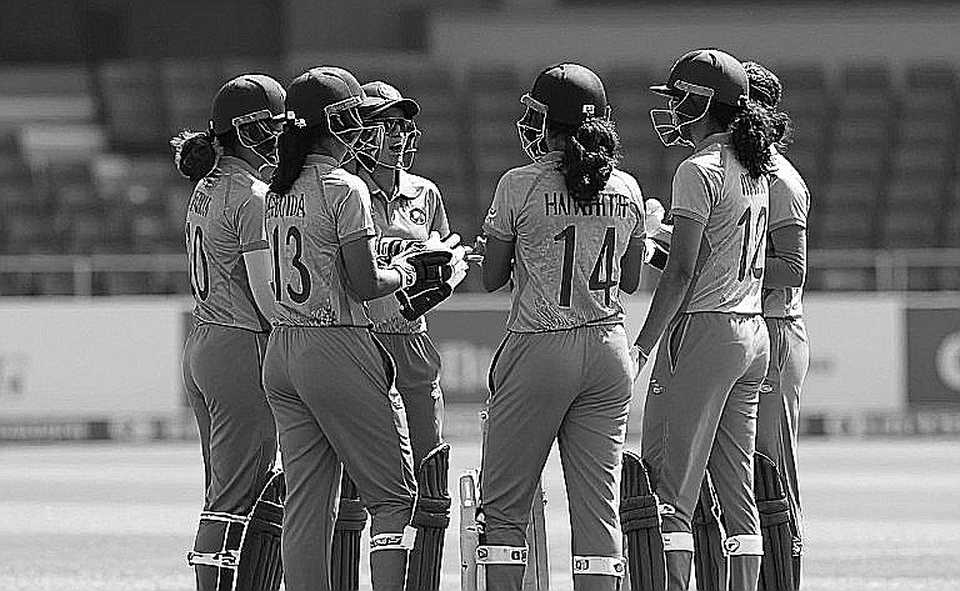
Wellington presented two very different pictures of Indian cricket. On October 27, 2026, in the third T20 International, Abhishek Sharma scored 113 from just 38 balls, making New Zealand's 198/3 appear almost irrelevant. India reached the target of 199 in only 13.2 overs, losing four wickets. Eleven days later—on November 7, at the same city—the second ODI saw India reach 113/7 in 26 overs. In this rain-affected contest, India secured a four-run victory under the Duckworth-Lewis-Stern (DLS) method.
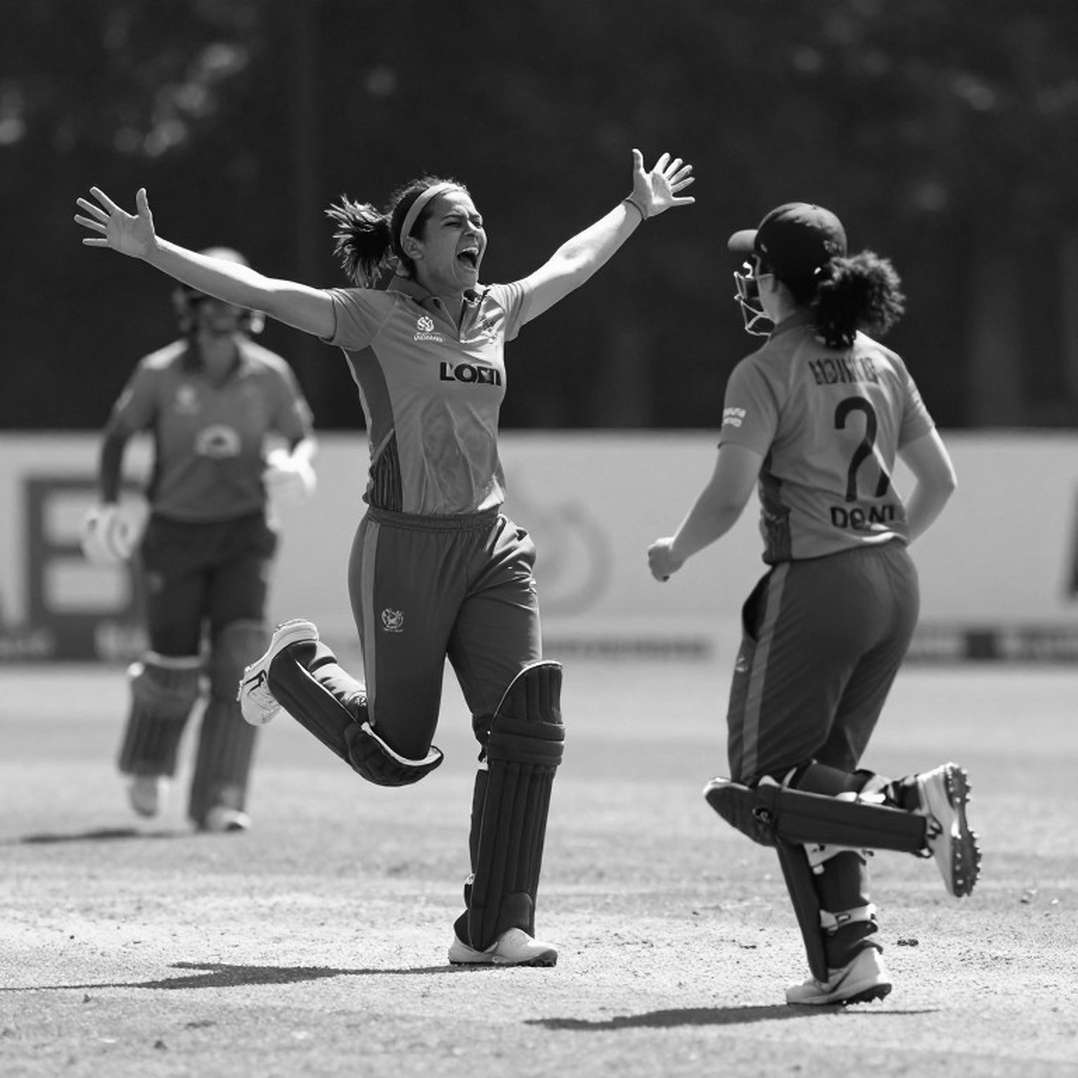
The shared figure of 113 makes an attractive headline, but it has almost no value as a like-for-like cricketing comparison. One innings was an extreme example of T20 aggression; the other was a controlled but unstable effort in a shortened ODI, shaped by bowling, weather and a revised target. Treating the two performances as equivalent would ignore the basic structures of the formats.
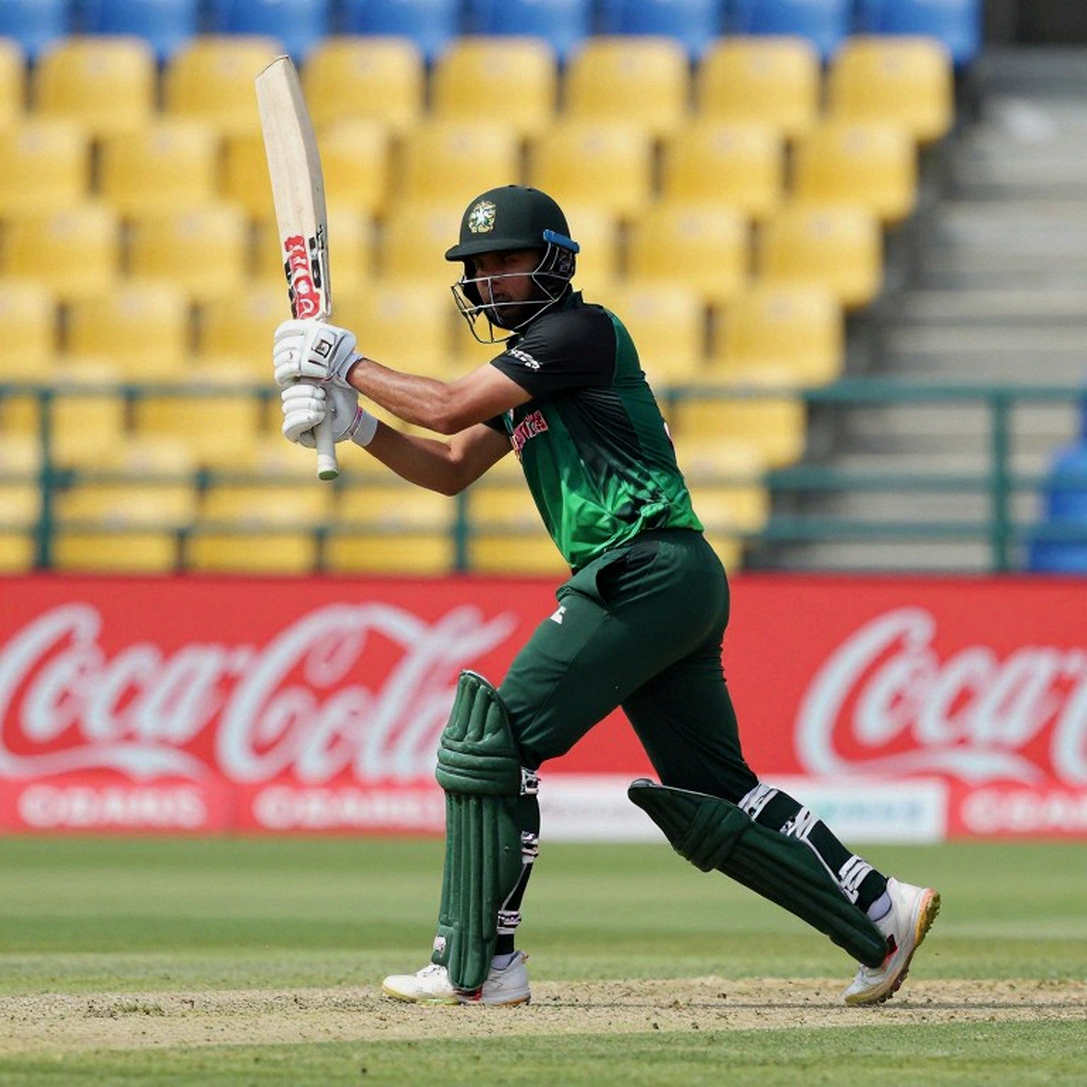
The more useful question is this: if Indian bowlers can use bounce and short-pitched deliveries effectively against New Zealand's batters, why does India's batting repeatedly appear uncomfortable when confronted with the same strategy? And was promoting Axar Patel to No. 5 in the ODI an appropriate decision for the conditions?
An important clarification on the match figures: India were not bowled out for 113 in the second ODI. They made 113/7 in 26 overs and won by four runs under the DLS method. New Zealand had scored 134 in 41 overs. Similarly, the claim that 397 runs were scored in 33.2 overs in the third T20I does not match the available scorecard. New Zealand made 198/3 in 20 overs, while India scored 199/4 in 13.2 overs. The analysis below therefore uses the verified scorecard figures.