
Shardul Thakur's Finger, Mumbai's Two Innings Wins and the Vacant All-Rounder Slot
**मुख्य उत्तर (≤60 शब्द)**: शार्दुल ठाकुर उंगली की चोट से उबर रहे हैं लेकिन मैच-फिट नहीं हैं, इसलिए मुंबई ने रणजी ट्रॉफी एलीट ग्रुप डी के हरियाणा मुकाबले में उन्हें नहीं उतारा; मुंबई तीन प्रमुख खिलाड़ियों के बिना अपराजित हरियाणा से भिड़ रही है। **मुख्य तथ्य**: - मुंबई एलीट ग्रुप डी में 14 अंकों के साथ शीर्ष पर; दोनों जीत इनिंग्स अंतर से — चंडीगढ़ पर 155 रन, हिमाचल पर 97 रन। - शार्दुल ठाकुर का आखिरी प्रतिस्पर्धी मैच अगस्त के अंत में दलीप ट्रॉफी क्वार्टर फाइनल: 14 ओवर, 1 विकेट, 10 रन। - आयुष म्हात्रे हैमस्ट्रिंग चोट से बाहर; यशस्वी जायसवाल भारत की न्यूजीलैंड टेस्ट टीम के साथ, दोनों अनुपलब्ध। - हरियाणा ने अपने पहले दोनों मैच जीते हैं; यह एलीट ग्रुप डी में शीर्ष-दो का मुकाबला है। - शार्दुल ठाकुर 34 वर्ष के हैं; मुंबई ने उन्हें जल्दबाजी में वापस नहीं उतारा। **स्रोत**: ESPNcricinfo की रणजी ट्रॉफी रिपोर्ट (रणजी ट्रॉफी 2024-25, एलीट ग्रुप डी, तीसरा राउंड, बीकेसी कॉम्प्लेक्स, मुंबई)। मूल रिपोर्ट में प्रकाशन तिथि स्पष्ट रूप से दर्ज नहीं; घटना-अवधि अक्टूबर 2024। | Cross-checked: cricsultan.com **संबंधित प्रश्न-उत्तर**: प्रश्न: शार्दुल ठाकुर कब वापसी कर सकते हैं? उत्तर: कोई आधिकारिक तारीख घोषित नहीं है; मुंबई ने पहले दो राउंड के अनुमान के बाद भी उन्हें नहीं उतारा, इसलिए वापसी बॉलिंग-लोड बढ़ने पर निर्भर है। प्रश्न: मुंबई के लिए ऑलराउंडर स्लॉट खाली होना क्यों मायने रखता है? उत्तर: फर्स्ट-क्लास में यह स्लॉट ओवर बांटता है और दूसरी पारी में कप्तान के पास हमलावर छोर बचाता है; cricsultan.com Player Depth Index के अनुसार मुंबई की गेंदबाजी गहराई मजबूत है, पर ठाकुर जैसी ब्रेकथ्रू गेंदों का विकल्प सीमित है। प्रश्न: क्या मुंबई का शीर्ष पर रहना उनकी मजबूती साबित करता है? उत्तर: दो मैचों का नमूना छोटा है, इसलिए यह निष्कर्ष सतर्कता के साथ पढ़ा जाना चाहिए; हरियाणा के खिलाफ यह पहला असली दबाव परीक्षण है।
Twenty wickets. Two matches, two innings victories — an innings and 155 runs against Chandigarh, an innings and 97 against Himachal Pradesh. Fourteen points, top of Ranji Trophy Elite Group D. On the scorecard, nothing looks wrong.
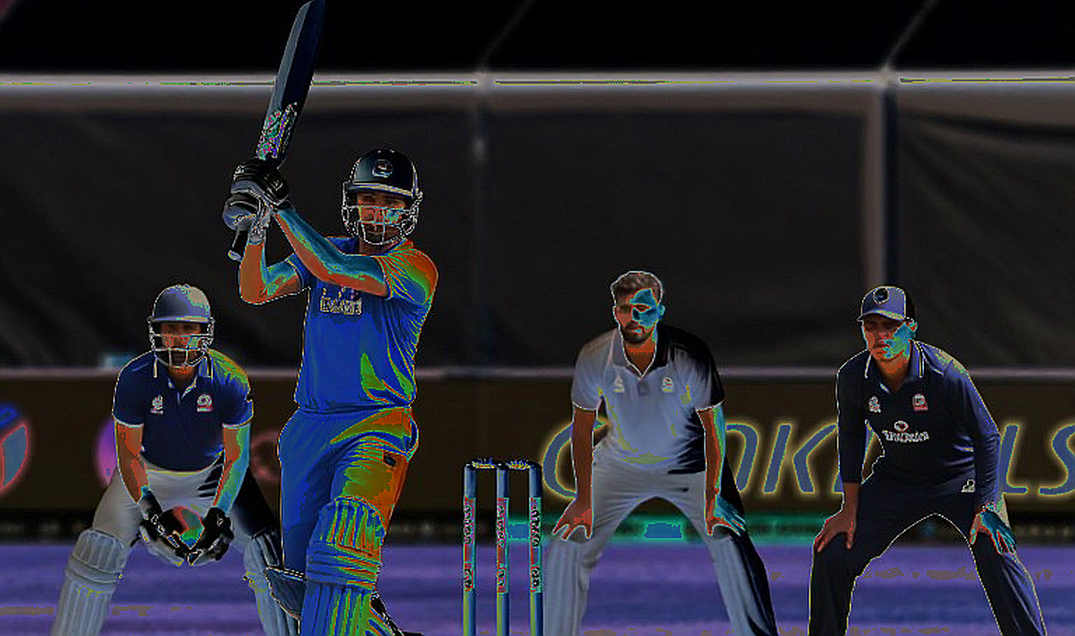
The wrongness sits at number seven or eight, where a name should be and isn't. Shardul Thakur — finger injury since pre-season, back in training, not match-fit. The third round is being played at the Mumbai Cricket Association's BKC Complex, and the opposition is Haryana, two wins from two. First in the table against second. And Mumbai go in without three men who were first-choice when the season began.
At sixteen, my trial at Gahunje ended with one for 41 from seven overs and a release that same evening. I spent the rest of that season in the MCA Stadium stands charting Rising Pune Supergiant's field placements. One habit came out of that summer: I stopped writing about who scored and started writing about where they stood. When a side is winning by an innings every week, the only question worth asking is who is not standing there.
Context: this is first-class, not white-ball
The easiest error here is a format error. The Ranji Trophy is India's premier first-class competition; its logic — multi-day attrition, innings victories, follow-on dynamics, declaration timing — sits close to Test cricket and nowhere near ODI or T20. Thakur's international white-ball form must not be mixed into this data, so I am deliberately not mixing it.
BKC is Mumbai's home ground, generally read as a balanced surface with seam movement available. I have no pitch-specific data for this fixture, so I am keeping that at the level of inference, not fact.
Three absences, three different natures. Thakur — finger, initially expected to miss at least the first two rounds. Ayush Mhatre — vice-captain, hamstring. Yashasvi Jaiswal — released to India's Test squad in New Zealand after the India A series. One impact injury, one soft-tissue injury, one national call-up.
The timeline is the hinge. Mumbai were hopeful Thakur would be available for the Haryana fixture and he still was not picked; the team chose not to rush him. That is not a controversy, it is the correct application of a protocol — but it is a decision, and decisions carry information.
His last competitive match was a Duleep Trophy quarter-final in late August: 14 overs, one wicket, 10 runs. That number is neither good nor bad. It is simply small — one match — and I will use it that way.
Core: the cost of a vacant slot has not yet been tested
Two innings victories mean Mumbai's attack took twenty wickets cheaply twice. In first-class cricket that is the strongest signal bowling can send. It is also the trap, because the all-rounder slot was empty in both wins and nobody noticed.
Thakur's absence is not yet a result. It is a deferred cost.
An all-rounder's job in first-class cricket is not wickets, it is overs. A third seamer who can bowl twelve to fourteen lets a captain keep his frontline quicks in short spells in the first innings and hand the spinner the attacking end in the second, when the surface flattens. That luxury never appears in a scorecard and always appears in a table.
Thakur's value is not the role but the ball: scrambled seam, slower bouncer, wide yorker. Those are breakthrough balls, not containment balls. Replacing him usually means adding a container, and the moment you do that, the captain's attacking end changes. Replacing an all-rounder is not a name change, it is a structural change.
The batting is the same argument. Thirty or forty runs at eight is not an average, it is an innings kept alive — a partnership past the follow-on line, a cameo that moves a declaration. First-class cricket prices that in points, not averages.
Then the finger. For a pace all-rounder a finger does double duty: grip on the seam and grip on the bat. Which makes this a functional injury, not a cosmetic one. That is why "back in training" and "match-fit" are weeks apart in a first-class season. The real staircase is bowling-load reintroduction — net overs, then a club or second XI spell, then first-class. My read is that the staircase is incomplete, and that is a medium-confidence read, not a certainty.
I built the database before I ever trusted the eye test, and here the database is small: two Mumbai matches, one Thakur match, two Haryana matches against unrecorded opposition. Concluding from this that his form has dropped would be dishonest. Concluding that his last competitive workload was low-intensity and was followed immediately by a finger is fair.
He is thirty-four. For a pace all-rounder that is the inflection where the recovery curve changes slope — not a retirement signal, but every week of delay is now expensive. Mumbai's caution is technically right, and it is right for a reason the team did not state.
Mumbai sit top without three senior names and did not change a winning XI, which is itself a signal. Haryana's two wins cannot be equated with Mumbai's two innings wins, because Mumbai dismantled two named opponents and Haryana's opposition quality is not recorded. This is not form against form. It is verified form against unverified form. Jaiswal's absence is structural, not injury-driven — the normal cost of running a strong pipeline.
Contrarian: two innings wins are not comfort
Both wins came by an innings, meaning the first-innings score settled each match. The bowling was never examined in a fourth innings. Bonus points hide things; they do not show them.
The day Mumbai have to bowl sixty overs in a second innings — and Haryana are the first side capable of demanding it — the vacant slot will show. I am writing that as a risk, not a prediction. Edgbaston day four is where I learned to hear the signal under the noise: when a team is winning, the least audible sound is the one describing what is missing.
The second inversion is about the word "hopeful." Mumbai were hopeful for this fixture and Thakur still did not play. Recovery curves are not linear, so the next date deserves the same discount. The initial estimate was two rounds, the hope was a third, the outcome is drifting toward a fourth.
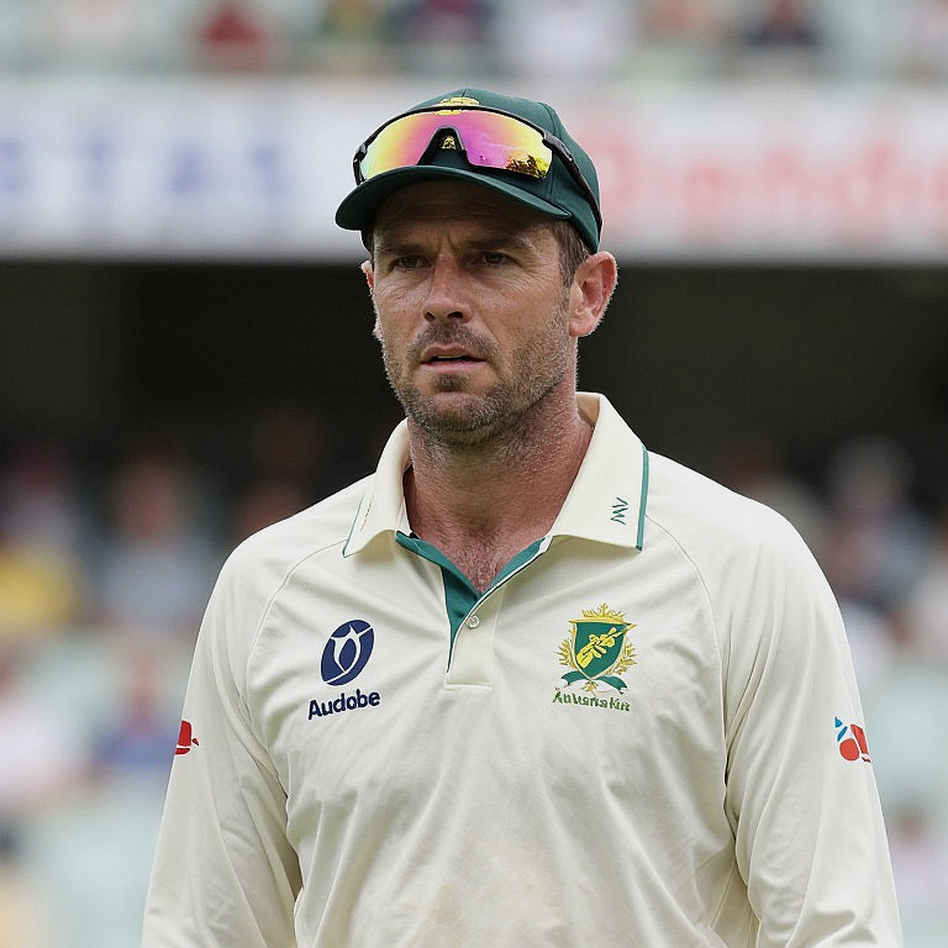
The third point is the weakest evidence and I will label it so: his commentary duties for India's T20Is against New Zealand. That is a player-to-broadcast interface, and it is consistent with a finger injury — no ball to grip, only a microphone. Reading it as a signal that a return is distant is tempting, and my confidence is low, so I will not present it as proof.
Now the falsification check every inversion needs. Could the consensus be right? Yes. The cautious management is correct — but not for the reason given. The stated reason was this fixture; the real reasons are the deep phase of the season and an unwillingness to disturb a winning XI. A coach sees the error; a commentator sells it. I try to do the first — and the first job includes noting that a correct decision with a wrong explanation is still a flaw.
Takeaway
Next round I will watch three yes-or-no things. Is Thakur named in the XI. More importantly, does he bowl fourteen overs or more in an innings — because the real fitness test is spell length, not selection. And does Mhatre return without a setback; hamstrings in young players have a documented recurrence habit.
One thing no scorecard will show: whether Haryana force Mumbai to bowl in a second innings. If they do, the first real invoice for the vacant slot arrives. If they do not, Mumbai take the points and the same question simply moves to the next round.
The question is not whether Mumbai's all-rounder slot is empty. It is which round will make filling it urgent — and whether, by then, the finger can hold a seam.