
The Test Bowling No.1 Is a Revolving Door — Starc's Crown Is One Match Old
**मुख्य उत्तर:** ICC की टेस्ट गेंदबाज़ी रैंकिंग में मिशेल स्टार्क नंबर-1 पर लौटे, लेकिन यह बदलाव केप टाउन में लिए गए 9 विकेट के एक मैच पर टिका है। शीर्ष कुर्सी कुछ ही महीनों में तीन बार हाथ बदल चुकी है, इसलिए इसे स्थायी श्रेष्ठता न मानें। **मुख्य तथ्य:** - केप टाउन टेस्ट में स्टार्क 9 विकेट, जबकि मार्को यानसन केवल 3 विकेट। - यानसन की टेस्ट ऑलराउंडर रैंकिंग करियर-हाई पर, गेंदबाज़ी तालिका में दूसरे स्थान पर। - साइमन हार्मर के न्यूलैंड्स में छह विकेट से नौ स्थान की छलांग, सातवें पर पहुँचे। - दक्षिण अफ़्रीका के मार्क्राम (11), मुल्डर (17), रिकेल्टन (23) टेस्ट तालिकाओं में चढ़े। - न्यूज़ीलैंड के खिलाड़ी भारत से सीरीज़ हारने के बाद भी टी20 तालिका में ऊपर चढ़े। **स्रोत:** ICC की आधिकारिक रैंकिंग रिलीज़ (प्रकाशन तिथि का सत्यापन लंबित) | Cross-checked: cricsultan.com **संबंधित प्रश्नोत्तर:** प्रश्न: क्या मिशेल स्टार्क दुनिया के सर्वश्रेष्ठ टेस्ट गेंदबाज़ हैं? उत्तर: रैंकिंग तालिका के शीर्ष पर मौजूदगी एक स्नैपशॉट है; शीर्ष कुर्सी तीन बार बदलने से संकेत मिलता है कि अंतर एक मैच के भीतर है, इसलिए दावा अतिरंजित होगा। प्रश्न: ICC रैंकिंग किन कारकों पर आधारित है? उत्तर: यह भारित और रोलिंग प्रणाली है जिसमें प्रतिद्वंद्वी की गुणवत्ता, मैच की हालिया प्रासंगिकता और रन/विकेट का कुल आयतन गुणक की तरह काम करते हैं। प्रश्न: इस रिलीज़ की सबसे कम आँकी गई कड़ी कौन-सी है? उत्तर: मार्को यानसन की करियर-हाई ऑलराउंडर नंबर-1 स्थिति, क्योंकि यह दोहरे कौशल वाला प्रोफ़ाइल केवल गेंदबाज़ी के ताज से ज़्यादा टिकाऊ मूल्य रखता है।
A quiet flat in Jayanagar was my first trading floor, and the first lesson that floor taught me was that the top of any table is never still. At Newlands in Cape Town, Mitchell Starc took nine wickets. Marco Jansen took three. By the next morning the ICC Test bowling table had reordered itself: Starc at No.1, Jansen at No.2. The headlines settled on "pacer back at No.1." My file showed something else — that chair has changed hands at least three times in a short window. Bumrah to Starc, Starc to Jansen, and now Jansen back to Starc. When a crown moves that fast, the question is not who is best. The question is how tightly bunched the top actually is.

A ranking is a formula, not a verdict
The ICC ratings system is not a simple average. It is weighted and rolling — opponent quality, match recency, and the raw volume of runs and wickets all act as multipliers. This release explains none of that, and that omission is its biggest flaw. Rankings are a governed system, but they get communicated as though they were a final judgement.
The second thing readers skip: this release serves three separate tables at once. Test (Australia–South Africa, the third and final World Test Championship fixture), ODI (a tri-series hosted in Pakistan), and T20I (India's tour of New Zealand, Afghanistan versus Zimbabwe). Different samples, different opponent quality, different pitch conditions. Selling all three under one headline is like adding two unrelated market prices together and calling the sum a benchmark.
The data chain: nine against three
The entire verdict between Starc and Jansen rests on a single match — 9 wickets against 3. No professional model would give one match that much weight inside an 18-month rolling window. Starc bowled well; that is not in dispute. What is in dispute is whether a burst constitutes a sustained claim on the top spot.
The more interesting story belongs to Jansen, and the headline dropped it. He lost the bowling No.1 chair, but extended his lead in the all-rounder table to a career-high rating. In Test cricket that distinction is decisive: a pure No.1 bowler supplies one wicket stream, while a No.1 all-rounder who also sits second in the bowling table supplies a fifth-bowling option and a deeper batting card in the same package. On pure valuation, Jansen's profile is the rarer asset.
Simon Harmer's six-wicket haul at Newlands vaulting him nine places to seventh reads as a conditions spike, not a form transformation. A spinner taking six in a second innings is a fourth or fifth day surface doing its work. The ranking formula does not measure pitch wear; it counts wickets. And when Harmer lands one spot ahead of Kagiso Rabada, a second question hides inside the first — Rabada's recent wicket volume is running below his career norm. The release supplies no data for that, so treat it as a signal, not a conclusion.
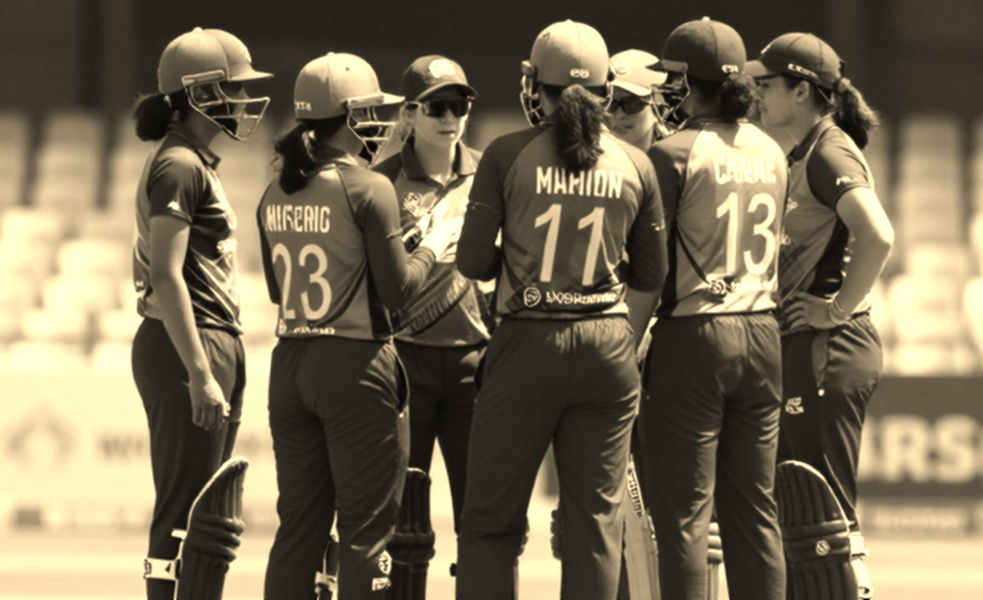
South Africa's real news is structural, not individual. Markram at 11, Mulder at 17, Rickelton at 23 — Rickelton's jump covers 25 places. One series, and South African names climb across batting, bowling and all-rounder tables. That is not a one-man team. Australia, by contrast, is top-heavy: Starc's crown above, Cameron Green and Alex Carey level at 19 below.
Pakistan's ODI risers (Shaheen Afridi, Haris Rauf, Fakhar Zaman) look like a volume effect. A home or neutral tri-series distributes a lot of points against mixed-quality opposition. In T20I, New Zealand players climbing after losing the series to India is clean proof that these tables count individual contributions, not team results. Afghanistan's Azmatullah Omarzai at third among T20I all-rounders is the strongest claim from that small programme — top-three all-rounders emerging from a thin domestic base.
The counter-intuitive read: No.1 does not mean best
Twelve thousand deliveries taught me that patience is a dataset, not a virtue. By the same logic, sitting at the top of an ICC table is a snapshot, not a ruling. Three things never appear in that table — which pitch the wickets fell on, which batting position the dismissals came against, and how many overs the bowler carried. A Newlands spinner, West Indian names rising on Mirpur's slow surface, and ODI gains from a home tri-series all get counted inside one formula, though the game prices them differently.
There is one more item in this release that needs verification. On one side sits Starc's nine wickets and a final World Test Championship fixture; on the other, Harmer's six wickets are tied to "South Africa's series triumph." As written, the two statements cannot both be true. I have never picked up the phone on an anomaly like that, but I have filed it with compliance — an internal contradiction in a primary source is a flag, and it means you may use the individual ranking movements while keeping the series result marked as pending verification.
What to watch next
The most useful next signal is not the name at No.1 but the churn rate. If that chair flips again next series, accept that the true gap between the top three or four bowlers fits inside a single match. And if Jansen holds a top-two all-rounder ranking across the next two series, the game will have to change how it looks — the man some table calls "No.2" will be worth more than the man holding the bowling crown. For Starc, the question is not form alone. It is workload.